
Where to Start with Treatment
This chapter is general information, not medical advice. Specific treatment plans are decided with a clinician. Resource availability varies by state and changes over time.
Lunch break. A corner table at the coffee shop near the office. I typed “gambling addiction treatment” into my phone.
A list came up: state problem-gambling programs, outpatient clinics, specialty addiction centers. I couldn’t tell the difference between them.
I stared at the screen for ten minutes before calling. Then I read a post from a recovery community, and I ended up not calling that day. Back at home that night, I decided: “I’ll call tomorrow, on my lunch break.”
The next day, I actually called. The person who picked up sounded like a regular human. “This is my first time calling,” I said. “Thank you for calling us,” she said back. We booked an intake appointment before the call ended.
Treatment isn’t a single option
There are multiple options for treating and supporting gambling addiction. You don’t have to pick one. Most people combine.
Main options:
- GA (Gamblers Anonymous): peer-led support groups
- Outpatient psychiatry or primary care: general clinics
- Problem-gambling treatment programs: specialty providers
- Inpatient / residential treatment: intensive care
- Sober living and recovery housing: medium- to long-term living support
- State problem-gambling helplines and clinics: public resources
- Family support groups (Gam-Anon, etc.): for family members
- Apps and digital tools: self-tracking and community
Each has a different role. Going through them one by one.
GA (Gamblers Anonymous)
GA is a peer-led mutual support group for people with gambling addiction. It started in 1957 in Los Angeles and now has meetings worldwide.
- Format: peer meetings (usually weekly or more often)
- Thousands of groups across the U.S.
- Free
- No appointment needed, come and go as you need
- No face, no real name (first name only is typical)
- Starts with “Hi, I’m ___, and I have a gambling problem”
- Uses a 12-step recovery framework
Pros:
- Connection with people who get it
- Hearing the experience of people who’ve been where you are
- Easy to sustain
- Free
- A lower-barrier entry than a psychiatrist’s office for many people
Cons:
- 12 steps have religious overtones that some find uncomfortable
- Group culture varies from meeting to meeting
- Don’t decide “GA isn’t for me” after one meeting. Try several
Find your nearest meeting through Gamblers Anonymous.
Outpatient psychiatry or primary care
Your primary care doctor or a neighborhood psychiatrist can also be a starting point.
- Accessible (often close to where you live)
- Usually covered by insurance
- Typically requires an appointment
- Copays and deductibles vary by plan
Pros:
- Easy to access
- Can often fit around work
- Can prescribe medication if useful
Cons:
- Not every clinician is trained in addiction
- Without gambling-specific experience, treatment depth can be limited
It’s reasonable to call ahead and ask, “do you treat gambling addiction?” If they don’t, ask for a referral to someone who does.
Problem-gambling treatment programs
Specialty providers focus on gambling disorder and related issues.
Where to find them:
- State problem gambling councils: most states have one, often affiliated with the National Council on Problem Gambling (NCPG)
- The National Problem Gambling Helpline: a 24/7 line that can refer you to providers in your state
- Academic medical centers: many university hospitals have specialty gambling programs
- Community mental health centers: some have certified gambling counselors
Pros:
- Higher specialty depth
- Programs tailored to gambling (group therapy, cognitive behavioral therapy, family work)
- Contact with other patients in similar situations
- Covered by insurance or, in many states, subsidized for state residents
Cons:
- Fewer of them (can be far away depending on where you live)
- Intake wait times can be weeks to months
- Travel time
To find state-funded gambling counseling, the National Problem Gambling Helpline is the single fastest starting point.
Inpatient and residential treatment
Inpatient addiction treatment runs in a few patterns.
- Short-term inpatient (weeks)
- Medium-term residential (weeks to months)
- Dual-diagnosis programs treating gambling alongside mental health conditions
Pros:
- Complete separation from the environment (no phones, no casinos, no apps)
- Intensive treatment and evaluation
- Co-occurring conditions (depression, anxiety) evaluated at the same time
- Discharge planning for aftercare
Cons:
- Time off work required
- Cost is significant (even with insurance, out-of-pocket can be substantial)
- Psychological barrier to “going inpatient”
- Limited number of facilities that treat gambling specifically
Inpatient is considered when outpatient isn’t enough, when comorbidities are severe, when suicide risk is high, or when the home environment is unsafe.
Sober living and recovery housing
Non-medical options also exist: recovery housing, Oxford Houses, and sober-living homes. Originally developed for substance addictions, many accept gambling recovery residents.
- Medium- to long-term living support (months to years)
- Structured daily programs plus shared living
- Living alongside others in recovery
Pros:
- Full environmental change
- Peer support around the clock
- Isolation gets harder to maintain
Cons:
- Work alongside housing can be hard
- Costs vary, though some are income-based or state-subsidized
- Shared living isn’t for everyone
For people who feel “I can’t rebuild my life on my own,” this is a strong option.
State and public resources
“I don’t know where to start” often has its fastest answer here.
- The National Problem Gambling Helpline (24/7, operated by NCPG): a single line that connects to state resources
- State problem gambling councils: free referrals and often free counseling
- Community mental health centers: in most counties
- The United Way’s community-services line: can route calls to mental health and addiction resources
Pros:
- Free
- Start on the phone (no face-to-face required)
- They refer to clinical providers
- Confidential
A lot of people worry “what will they ask me?” Nothing hard. You can use a nickname if you want. Just saying which state you’re in is enough for them to give you local options.
Opening line:
“I’d like to talk about gambling. I don’t really know where to start.”
They’ll take the conversation from there.
Family groups (Gam-Anon)
There are support groups for family members too. The main one is Gam-Anon, a counterpart to GA for families.
- For partners, parents, kids, and others close to someone with gambling addiction
- Families share experience with other families
- Runs independently of the gambler (families can attend without the gambler)
This isn’t for you, it’s for your family. But when family members connect to support, the situation at home often shifts. This book is for you, but Gam-Anon is worth knowing about and mentioning to your family.
Apps and digital tools
Smartphone apps supporting addiction recovery have been growing in recent years. They don’t replace a clinician, but they can be useful as a first step before treatment, or in parallel with treatment.
QuitMate
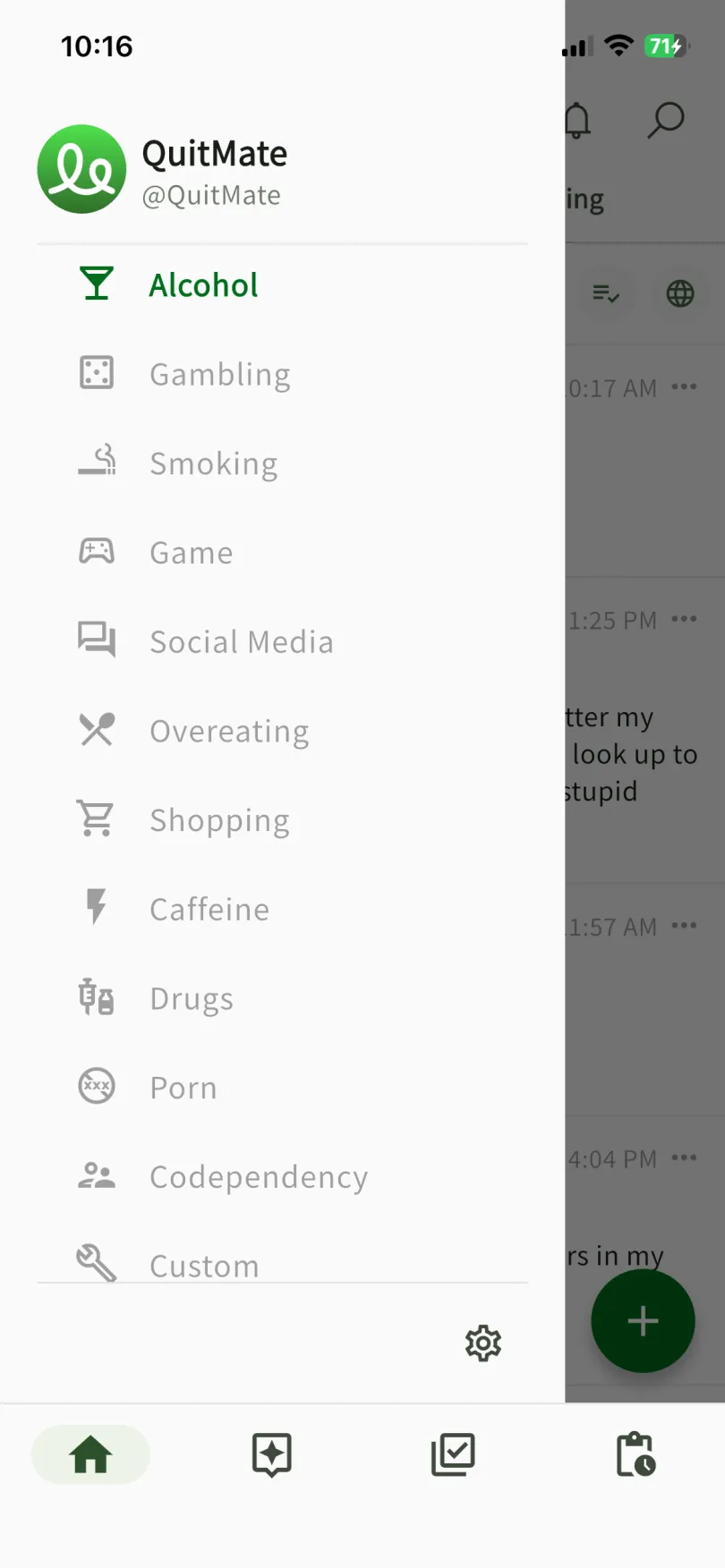
QuitMate is a smartphone app for recovery across multiple addictions, including gambling.
Main features:
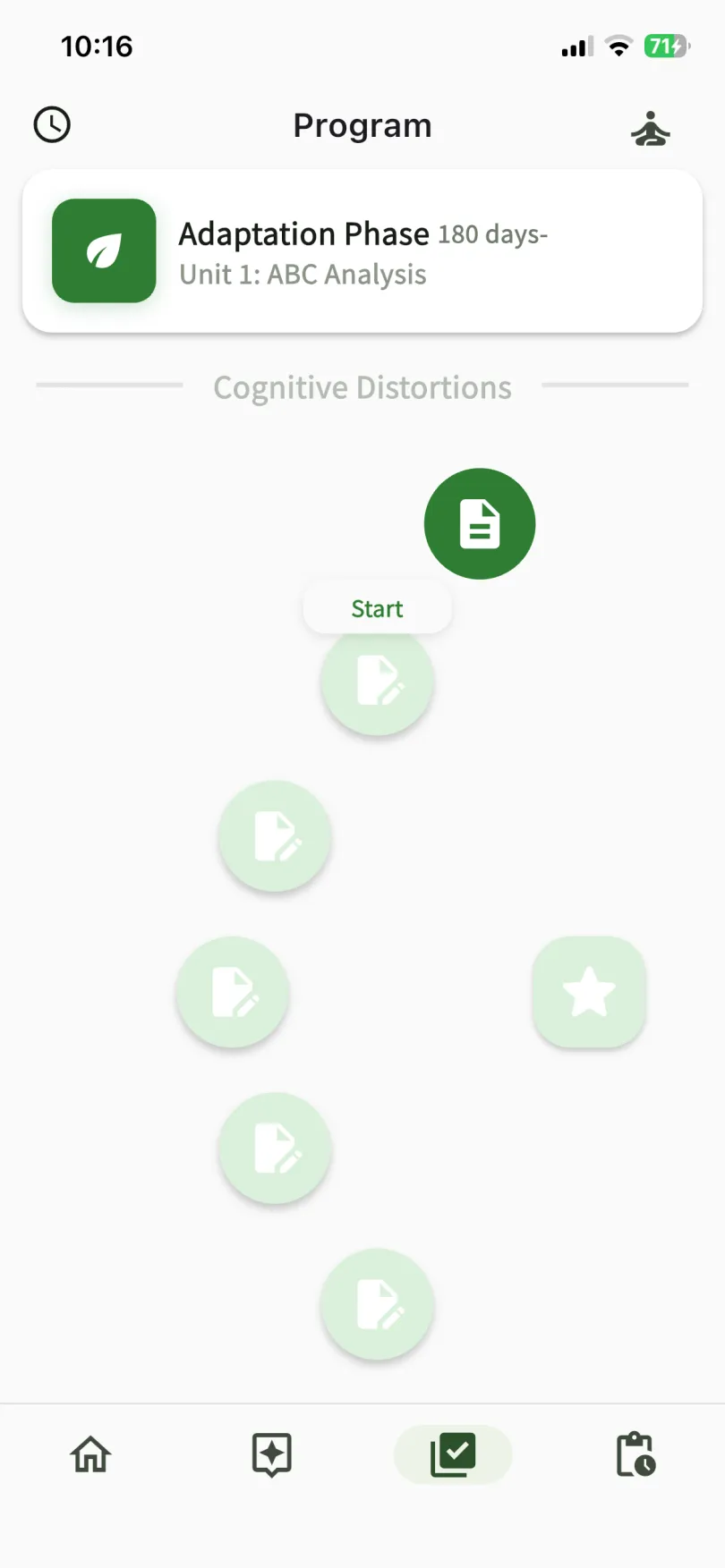
- Tracking your abstinence (streak management)
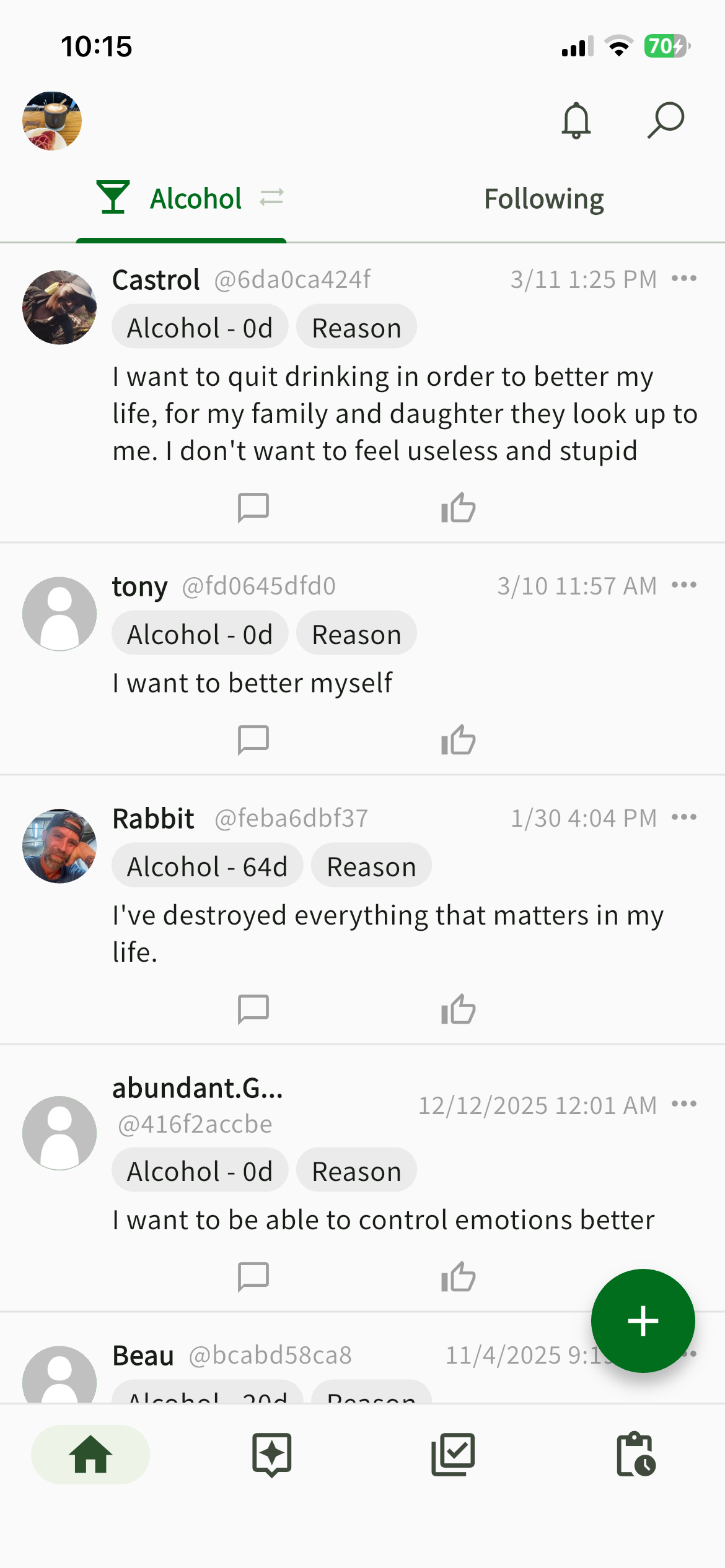
- A community of people in recovery (posts, comments, likes, following)
- Recording and reviewing relapses
- Reading and writing recovery stories
- Multiple categories (gambling, alcohol, nicotine, porn, etc.)
Notable:
- Free to start
- No face, no real name (nicknames)
- Always available
- Around 8,000 users (as of 2026)
Pros:
- Low-friction first step before calling a clinician
- Usable in the middle of the night
- Read the stories of people doing the same thing
- Visualize your streak and relapses
Cons:
- An app can’t deliver clinical evaluation or treatment
- Severe cases require clinical care alongside it
- Apps alone don’t “cure” addiction
How apps and clinicians fit together
Apps don’t replace clinical care. But they work as either a bridge before clinical care or a daily complement to it.
Example combinations:
- Use the app for self-tracking for a few weeks while you figure out your state
- Visit one GA meeting in parallel
- If that’s not enough, book an intake at a specialty provider
- Once you’re in treatment, keep using the app for the daily log
Combining app, peer groups, and clinical care covers each channel’s weak points. Having more than one entry point makes recovery more stable than relying on one.
Where to start
A rough guide when the options feel overwhelming:
| Situation | First step |
|---|---|
| Want to start with self-tracking | Smartphone app (QuitMate, etc.) |
| Don’t know where to start at all | State problem-gambling helpline, or the Suicide & Crisis Lifeline if you’re in mental-health crisis |
| Want to know local options | State problem gambling council, or a general social-services line |
| Want specialized clinical care | State-funded gambling counselor, or NCPG helpline for referral |
| Want peer support | A GA meeting |
| Need to physically leave the environment | Inpatient or residential program |
| Can’t talk to your family | Point them to Gam-Anon |
| Debt is the main issue | Non-profit credit counselor, bankruptcy attorney (see Chapter 18) |
You don’t need to evaluate all of these at once. Start with one. If it doesn’t fit, try the next. Combining (a specialty provider + GA, inpatient + GA after discharge, helpline + primary care) is normal.
Lowering the bar for “getting treatment”
“Getting treatment” carries a lot of baggage. Psychiatric hospitals, long stays, specialized interventions. That image makes the bar feel high.
The real first visit is ordinary.
- You call
- You make an appointment
- You show up and fill out paperwork
- You talk to a clinician
- You schedule the next visit if needed
That’s it. Not much different from a trip to urgent care for a cough. The first session runs 30 to 60 minutes. You don’t have to be grave. Just tell them honestly what’s been happening.
Clinicians and staff in addiction care see this every day. Nothing you say will shock them. Everything you say will be received. “If I say this, will they judge me?” is almost never warranted.
References
- National Council on Problem Gambling. https://www.ncpgambling.org/
- National Problem Gambling Helpline (24/7, confidential). Operated by NCPG.
- Gamblers Anonymous. http://www.gamblersanonymous.org/
- Gam-Anon International Service Office. https://www.gam-anon.org/
- SAMHSA (Substance Abuse and Mental Health Services Administration). https://www.samhsa.gov/
- Petry, N.M. (2005). Pathological Gambling: Etiology, Comorbidity, and Treatment. American Psychological Association.
- Cowlishaw, S., Merkouris, S., Dowling, N., Anderson, C., Jackson, A., & Thomas, S. (2012). Psychological therapies for pathological and problem gambling. Cochrane Database of Systematic Reviews, 11, CD008937.

QuitMate
Together, you can quit
Connect anonymously with others who share your struggle. Whether it's alcohol, smoking, gambling, or other habits, you're not alone.