
People Do Recover
Throughout this book, when someone who’d stopped gambling goes back to it, we call that a “relapse” (sometimes also called a “slip” or “lapse”).
What number is this, I thought. Three weeks after telling my wife I was done, I was back at it. “This time for sure,” then another three weeks.
Seven, eight, nine times. Each time you say it, their trust drops a little more. At some point you stop trusting yourself.
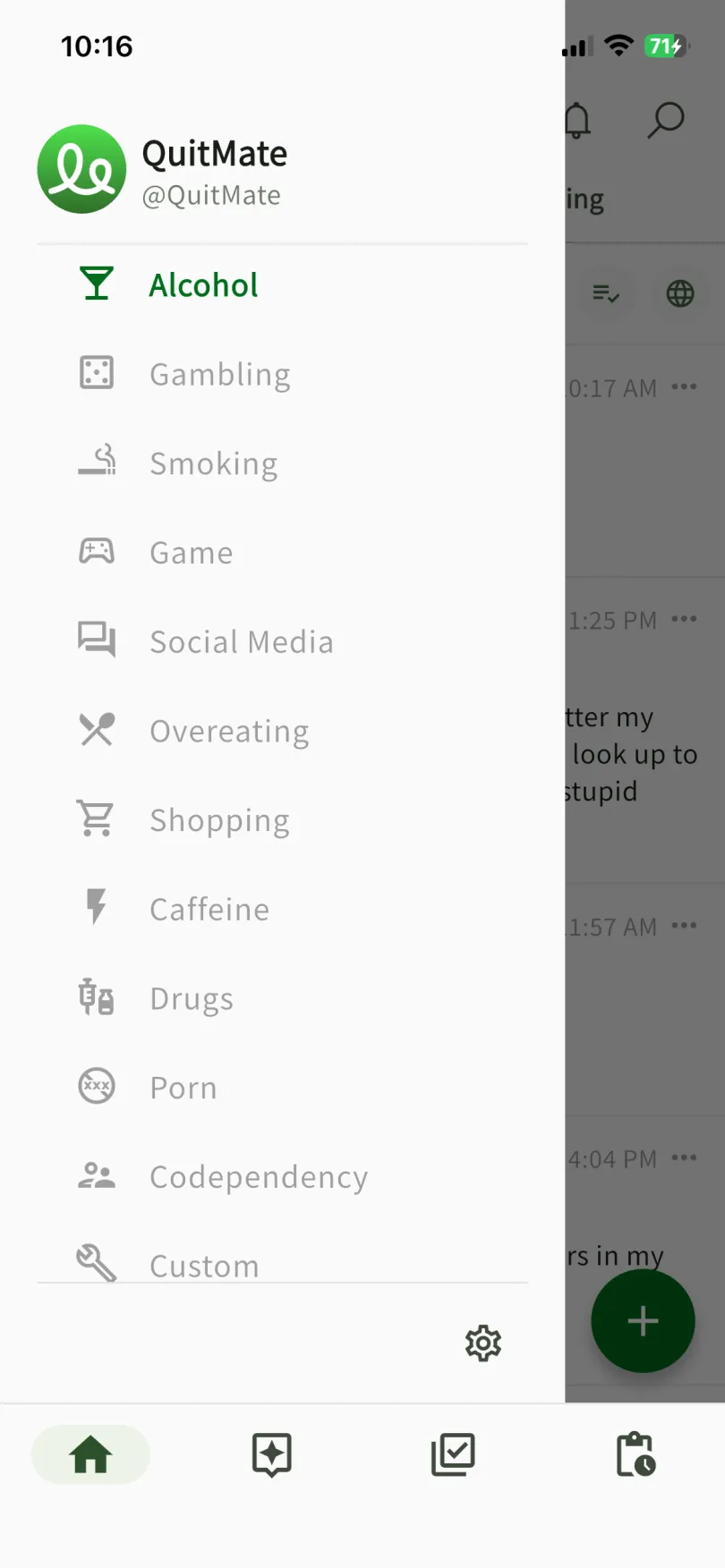
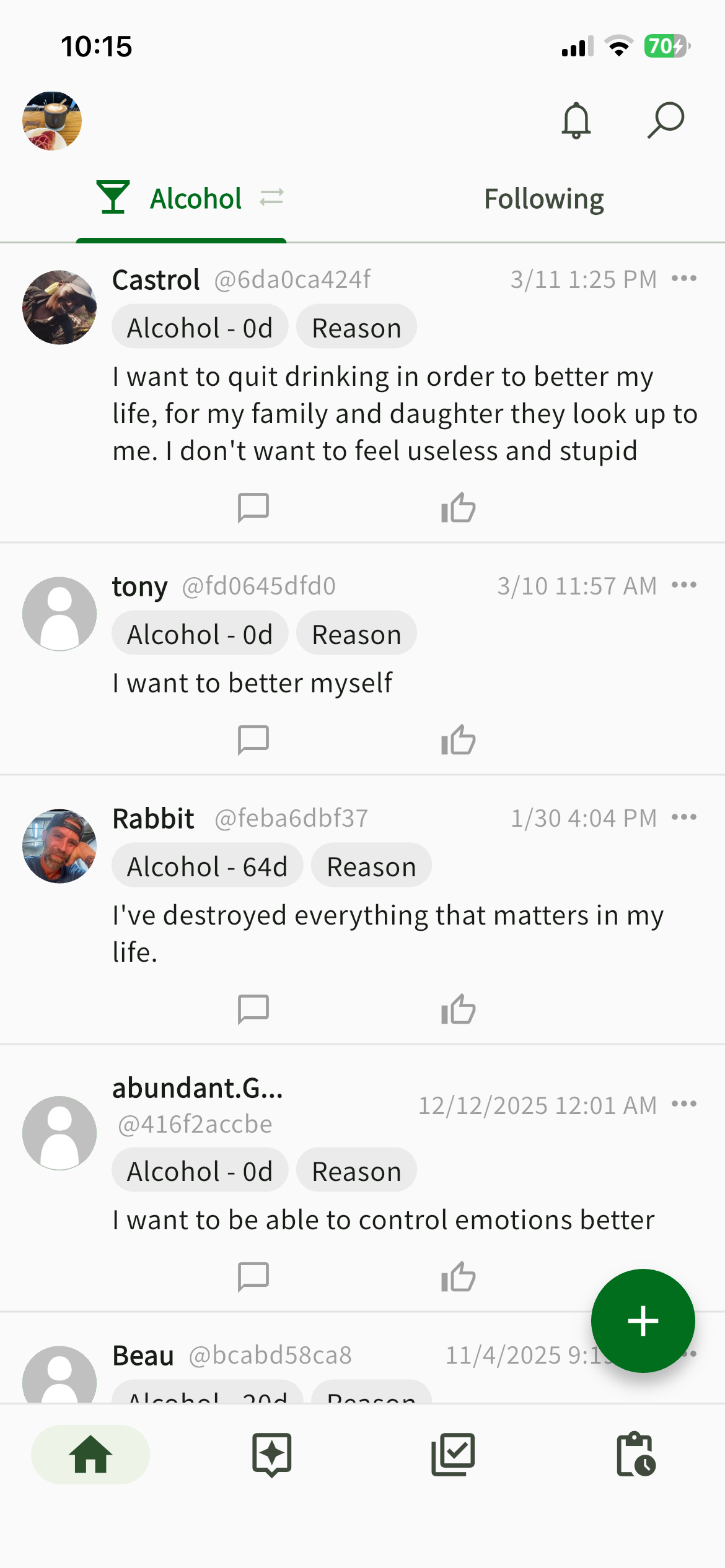
I searched for “gambling addiction recovery” on my phone. One post in the community I landed on read:
“29 relapses. 302 days clean now.”
My nine felt small next to that. And the fact that this person had 302 days hit me harder than anything.
”It’s too late” is not a fact
After enough relapses, most people land on some version of this:
“I’ve tried and failed enough. I’m not going to stop.” “Nine attempts, nine failures. Recovery doesn’t apply to me.” “Sure, some people recover. I’m not one of them.”
This line of thinking is a natural output of the addicted brain. It’s also wrong.
What the research actually shows is this: recovery from gambling addiction is not rare. A large U.S. survey found that a meaningful percentage of people who once had gambling disorder recovered without formal treatment.
Recovery doesn’t just mean “got treatment, got better.” A very common pattern is “tried and failed many times, and then one day it stuck.”
What the data shows
Let’s look at data from QuitMate, an app used by people recovering from addictions.
The wider picture
Of 1,407 active users (opened the app within the last month):
- Around 38% have stayed quit for 90+ days at some point in the past
- Around 10% have hit 365+ days
One in ten is more than a year in. And these aren’t people who succeeded on the first try. Most of them relapsed repeatedly before this.
V-shaped recovery
One pattern worth paying attention to is the “V-shaped” recovery:
- At least 3 relapses in the past
- Currently on a streak 3x longer than their previous average
- Still going (not past tense, right now)
59 users fit this pattern as of April 2026. A few examples (attributes only, to avoid identifying anyone):
- A man (slot machines): 29 relapses. His past average streak was 3 days. He’s now at 302 days
- Another man (slots): 16 relapses. Past average of 4 days. Currently 554 days
- Another man (slots): past average of 2 days. Currently at exactly 365 days
- A woman (alcohol, for comparison): 9 relapses, past average 49 days, now at 475 days
- Another man (slots): 7 relapses, past average 15 days, now at 535 days
29 relapses. 16 relapses. Past average of 2 days. Any of these numbers could convince you it’s over. But the people with these numbers are, right now, still going.
The “something shifts” pattern
Across the V-shaped recoveries, one observation recurs.
People who relapsed many times, over and over, one day crossed into a long stretch of sobriety. Up to that day, they were looping the same short cycle. What exactly tipped it over is usually not clear, even to the person it happened to.
Someone who’d been relapsing every two or three days, at some point, starts going 100, 200, 500 days.
This turning point happens to people who have been relapsing over and over. It’s real.
The people who made it to long streaks have one thing in common.
They didn’t stop trying.
During the relapse cycle, it feels like a continuous string of failures. Ten tries, twenty tries, always breaking in a few days. Plenty of them were posting “I’ll never recover.” Only the ones who tried again were there when the turning point showed up.
The ones who decided “I’m done trying” never met that day.
You don’t have to do it alone
Here’s another thing the data shows. Connection matters.
In the same dataset, users were grouped by how many comments they got from other users in their first 30 days. Then the rates of staying quit past 90 days were compared:
- 0 comments → 28.6%
- 1 to 2 comments → 42.0%
- 3 to 9 comments → 50.2%
- 10+ comments → 60.8%
Just feeling like someone is watching, like you’re not alone, nearly doubled the probability of staying quit.
Limits of this data
This data has limits.
- No control group: no comparison with people who don’t use the app
- Self-selection: motivated users are over-represented, so the sample is skewed
- Reverse causality is possible: “the app helped recovery” vs. “people who stayed recovered kept using the app” can’t be disentangled. The same limitation applies to the comments-and-retention link
So this isn’t proof that “using an app cures addiction.”
Even with those limits, the fact that people who relapsed many times are currently in long recovery doesn’t change. What you make of the numbers is secondary. Those people exist.
What this means for you
“That person made it, so I can too” is not how it usually lands. It’s more common to think “they’re different, I’m not like them.”
The people who hit the turning point didn’t think of themselves as special either. They also thought “it’s too late for me.” They thought it many times. And they kept going. One day, something shifted.
Whether you recover is not something you or anyone else can predict. Exactly because it’s unpredictable, the only option is to keep going. It never comes for the people who stopped trying.
References
- QuitMate internal app data (April 2026 analysis). Aggregated via
tools/recovery/recovery.py. Approximately 8,000 users and 28,000 trials. - Slutske, W.S. (2006). Natural recovery and treatment-seeking in pathological gambling: results of two U.S. national surveys. American Journal of Psychiatry, 163(2), 297-302.
- Hodgins, D.C., & el-Guebaly, N. (2000). Natural and treatment-assisted recovery from gambling problems: a comparison of resolved and active gamblers. Addiction, 95(5), 777-789.
- Cunningham, J.A. (2005). Little use of treatment among problem gamblers. Psychiatric Services, 56(8), 1024-1025.
- Marlatt, G.A., & Donovan, D.M. (Eds.) (2005). Relapse Prevention: Maintenance Strategies in the Treatment of Addictive Behaviors (2nd ed.). Guilford Press.
Note: User attributes in this chapter are taken from QuitMate app data, with only category-level information shown in order to avoid identifying individuals. The limitations of the dataset (no control group, self-selection bias, possible reverse causality) are noted above.

QuitMate
Together, you can quit
Connect anonymously with others who share your struggle. Whether it's alcohol, smoking, gambling, or other habits, you're not alone.