
The NoFap Timeline, Day by Day: What Actually Changes, and When

A day count is easy to record. Changes in sleep, mood, or sexual confidence are harder to put on a calendar. That difference matters when you use a NoFap timeline: a date can remind you to review your progress, but it cannot promise a particular effect.
“NoFap” also covers different goals. Some people stop pornography, some stop masturbation, and others combine the two. Decide what you mean before comparing your experience with someone else’s. The distinction matters for health claims.
The first week: identify the situations
Start with the moments when viewing usually happens. An existing QuitMate account describes a practical change:
Day 1. A few small waves of urges came through today, but I rode them out. I’ve started leaving my phone away from where I sleep. It cuts the two biggest triggers, right before bed and right after waking.
The useful detail is the phone’s location. You can try a similar change if bedtime viewing is your problem, then see whether it helps. You do not need to experience either a surge of energy or severe urges to be doing this correctly.
The often-repeated claim about a day-seven testosterone peak comes from a small, later-retracted study. It does not establish a benefit you should expect that week.
Weeks two to four: review what is still difficult
By now you may have encountered different situations: a weekend alone, an argument, a night of poor sleep. Review them individually. If the plan worked on workdays but fell apart on a day off, the missing piece may be how you spend unstructured time.
Avoid assigning every problem to a “week-two wall.” A record saying “I felt exhausted on day 26” cannot establish that exhaustion is a required stage of stopping porn. Low mood, low desire, and recurring erection difficulties have several possible causes. Our flatline article explains why those symptoms deserve their own attention.
At day 30, compare the problem you started with: bedtime, time lost, ability to stop, or disruption to relationships. That makes the review useful even if you do not feel transformed.
Later months: see what fits your life
Over a longer period, you can ask whether the changes remain workable. Are you spending less time negotiating with yourself about viewing? Have you made room for something you wanted to do? Are your rules helping, or has checking the counter become another source of distress?
One longer-term account says:
Day 577. After quitting porn, it hit me how lucky I am in the people around me. Things I’d treated as a given, I realized weren’t a given at all.
That is a reflection from day 577. It is not an outcome guaranteed after 90 days, and it cannot tell us what most users experience. Personal records are valuable when their individual context stays attached.
A simple record to keep
| What to note | What it helps you review |
|---|---|
| Situation before an urge | Time, place, and circumstances to plan for |
| What you did next | Options that were actually available |
| Sleep and time use | The daily-life problem you wanted to change |
| Ongoing symptoms or distress | What to discuss with a clinician |
Choose a review interval you can sustain. If symptoms worry you, seek help when they occur; day 90 is not a medical waiting period. If viewing resumes, the record can help you adjust the next situation instead of starting the same plan again without changes.
You may also like
NoFap Day 30: Reviewing a Month Without Porn
A month is enough to look at the habits you changed. Review sleep, time, urges, and remaining difficulties without treating day 30 as a medical milestone.
The NoFap Flatline: How Long It Lasts and When to Get Help
No libido, no morning erections, no motivation, feeling nothing at all. These experiences are often called the NoFap flatline. We look at what the term means, why there is no fixed recovery timeline, and when symptoms need medical attention.

Porn and Erectile Dysfunction: What the Evidence Can Tell You
Erection difficulties with a partner can have several causes. We examine research on pornography and ED, the limits of recovery stories, and what to discuss with a clinician.

Does NoFap Work? Separating Porn Use, Masturbation, and Daily Life
The answer depends on what you want to change. Look at loss of control and disruption to daily life, and separate those concerns from claims about testosterone or semen retention.
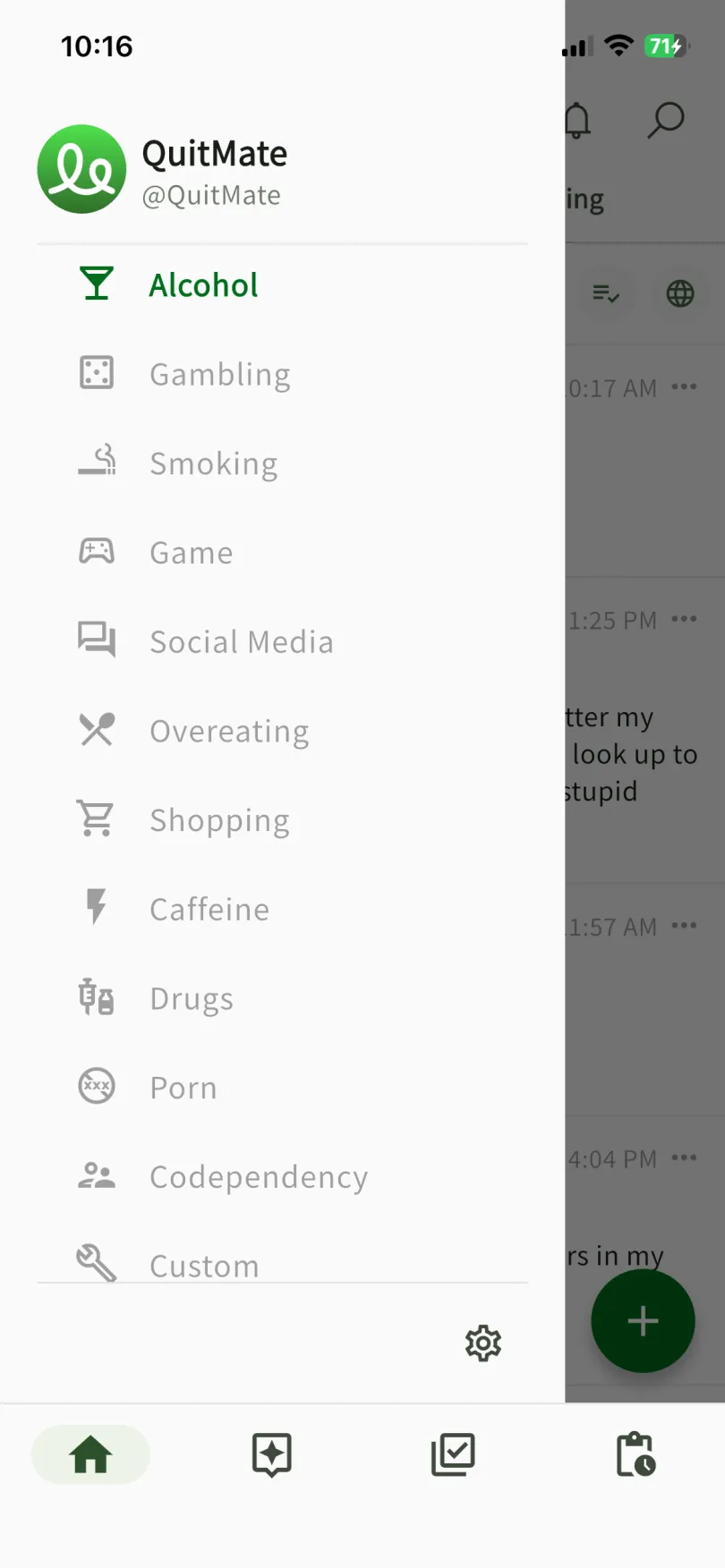
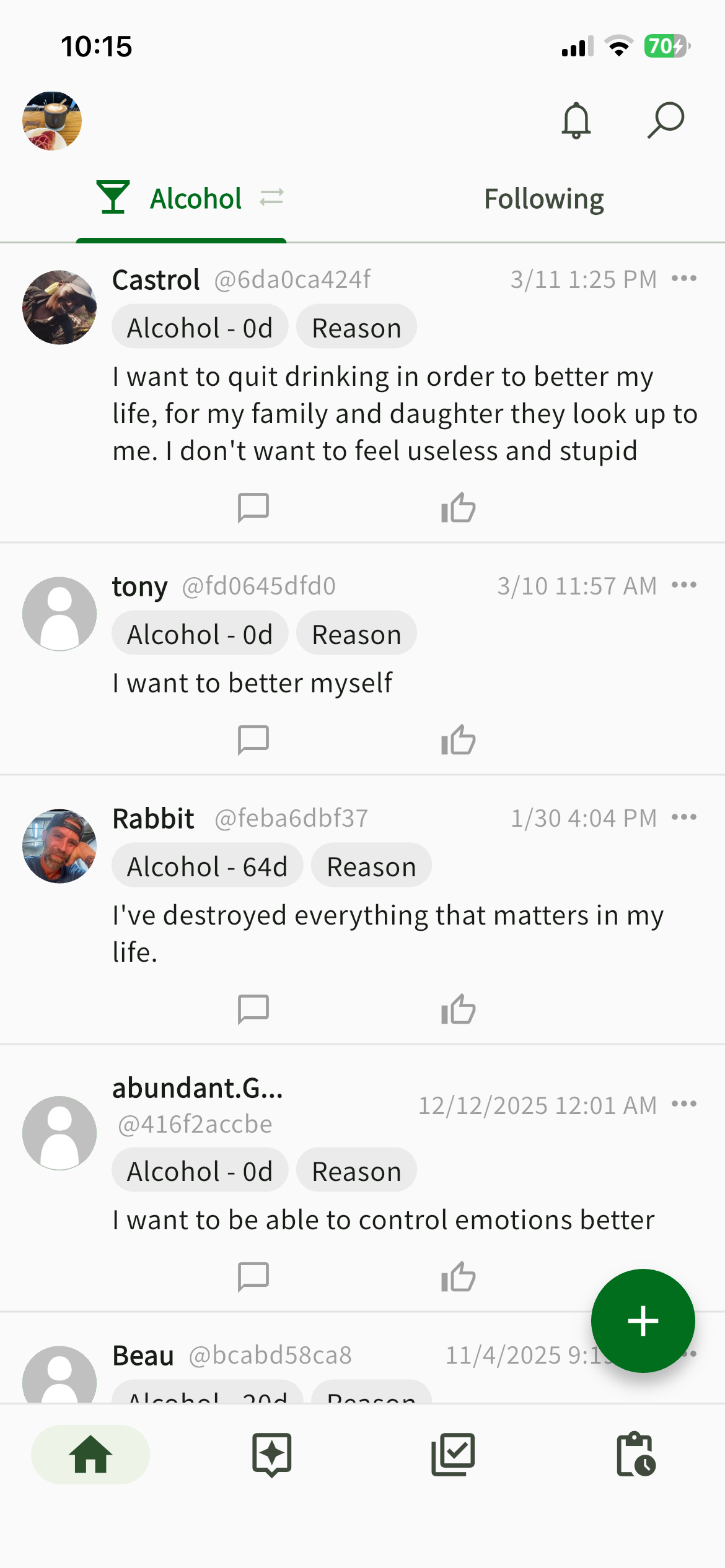

QuitMate
Together, you can quit
Connect anonymously with others who share your struggle. Whether it's alcohol, smoking, gambling, or other habits, you're not alone.