
Why Do People Become Addicted? Learning, Stress, and Everyday Life
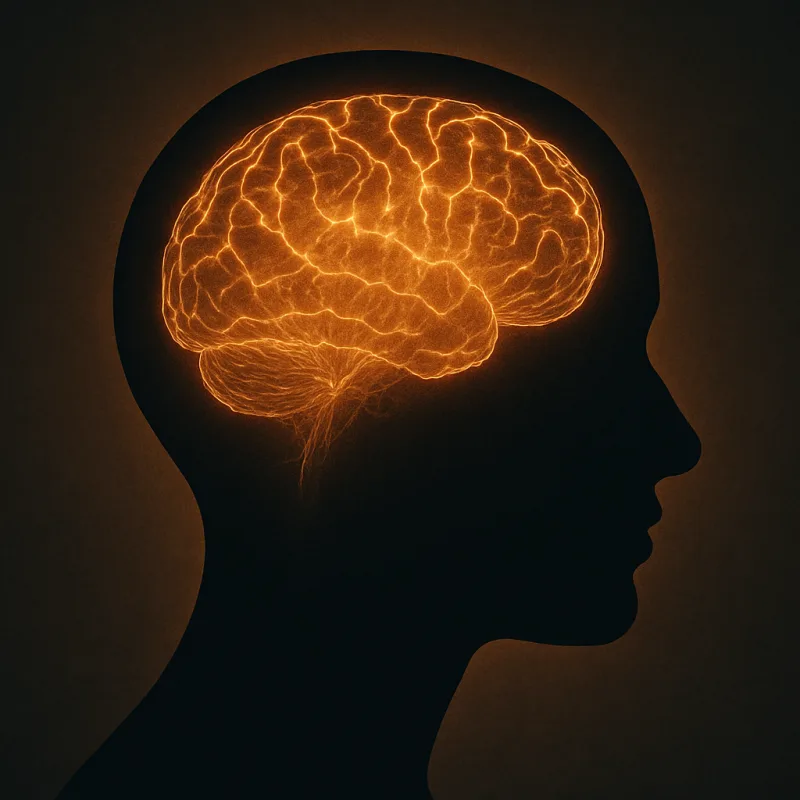
Someone may enjoy drinking for years before it begins to organize their evenings. Someone else may start betting during a stressful period and find that the losses themselves become a reason to return. There is no single sequence that explains every addiction.
A useful explanation has to account for both the urge to repeat a behavior and the circumstances in which it happens.
What the brain learns
Reward learning helps us repeat activities that have mattered to us. A place, a notification, or a familiar time of day associated with a substance or behavior can come to prompt an urge. Dopamine contributes to this learning and motivation; it is not simply a pleasure switch or a chemical that only operates before a reward.
With substance addiction, changes can involve reward, stress, and self-control systems. NIDA’s overview of addiction explains these interacting processes. A scan of a research group cannot tell us exactly what is happening in one reader’s brain.
Why stopping may feel uncomfortable
The behavior may provide excitement, relief, or both. If drinking has become a way to get through a tense evening, removing the drink leaves that evening to deal with. Physical dependence can add withdrawal symptoms, which need their own assessment.
Relief from distress is one reason people continue, not a hidden explanation we should impose on everyone. The self-medication hypothesis offers a way to explore this question without assuming a particular childhood history.
Why people differ
Inherited vulnerability, development, mental health, stress, and availability can all contribute to risk. None makes an individual’s future inevitable. A family history is useful information to bring to a clinician; it is not a percentage chance that you personally will become addicted.
Different addictions also need different care. Research about drugs cannot be carried across unchanged to gambling or sexual behavior. For gambling specifically, see why stopping can be difficult.
Turn the explanation into something you can use
Try describing one recent episode without giving yourself a character verdict. Where were you? What happened just before it? What could you reach easily? What did you hope it would change?
The answers may point to a practical next step: changing an evening routine, removing a route to gambling, or getting help with anxiety or sleep. A short reflection record can help you bring those details to a support appointment.
If reducing alcohol causes shaking, sweating, or marked anxiety, seek medical advice before trying an abrupt stop. Severe symptoms such as seizures or confusion require emergency care. NHS guidance explains alcohol withdrawal.
Understanding the pattern can help you ask for the kind of support you need. You do not have to finish understanding the neuroscience before making that call.
You may also like

When Nothing Feels Enjoyable After Stopping an Addictive Behavior
A flat or empty day can be difficult in recovery. Personal records offer ways to notice daily life, while persistent loss of interest deserves care rather than a dopamine deadline.

Can a Recovery App Help Without Keeping You on Your Phone?
Recovery apps can offer records and connection, but more engagement is not automatically progress. A practical way to decide what you want from an app and when to close it.

The Self-Medication Hypothesis: When Substance Use Becomes a Way to Cope
Edward Khantzian proposed that substance use can serve a coping function. Understanding that role can help with treatment, without making pain the only cause of addiction.
Rat Park: Findings and Limits of the Addiction Experiment
The Rat Park studies asked whether housing affects morphine use in rats. Here is what the experiments tested, what later work questioned, and why environment matters in recovery.

QuitMate
Together, you can quit
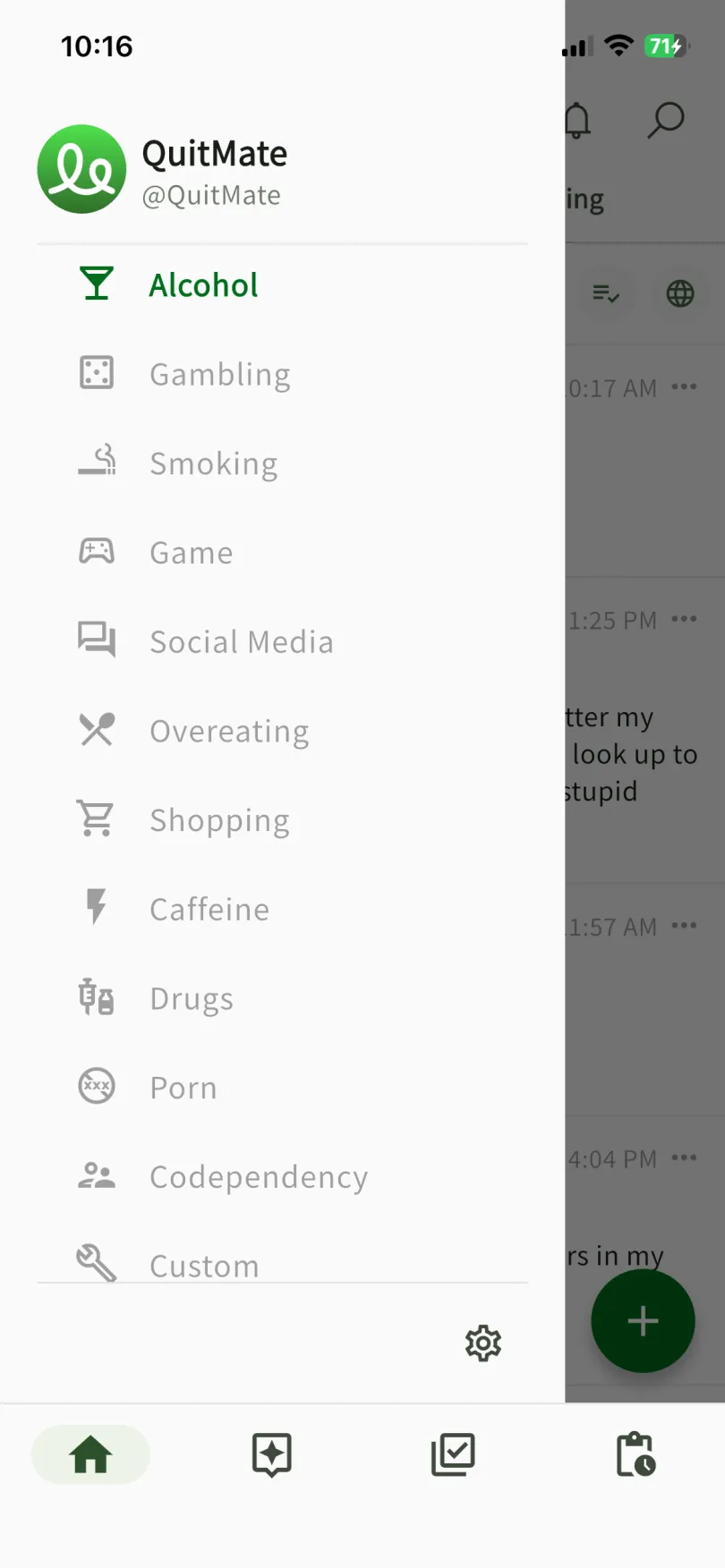
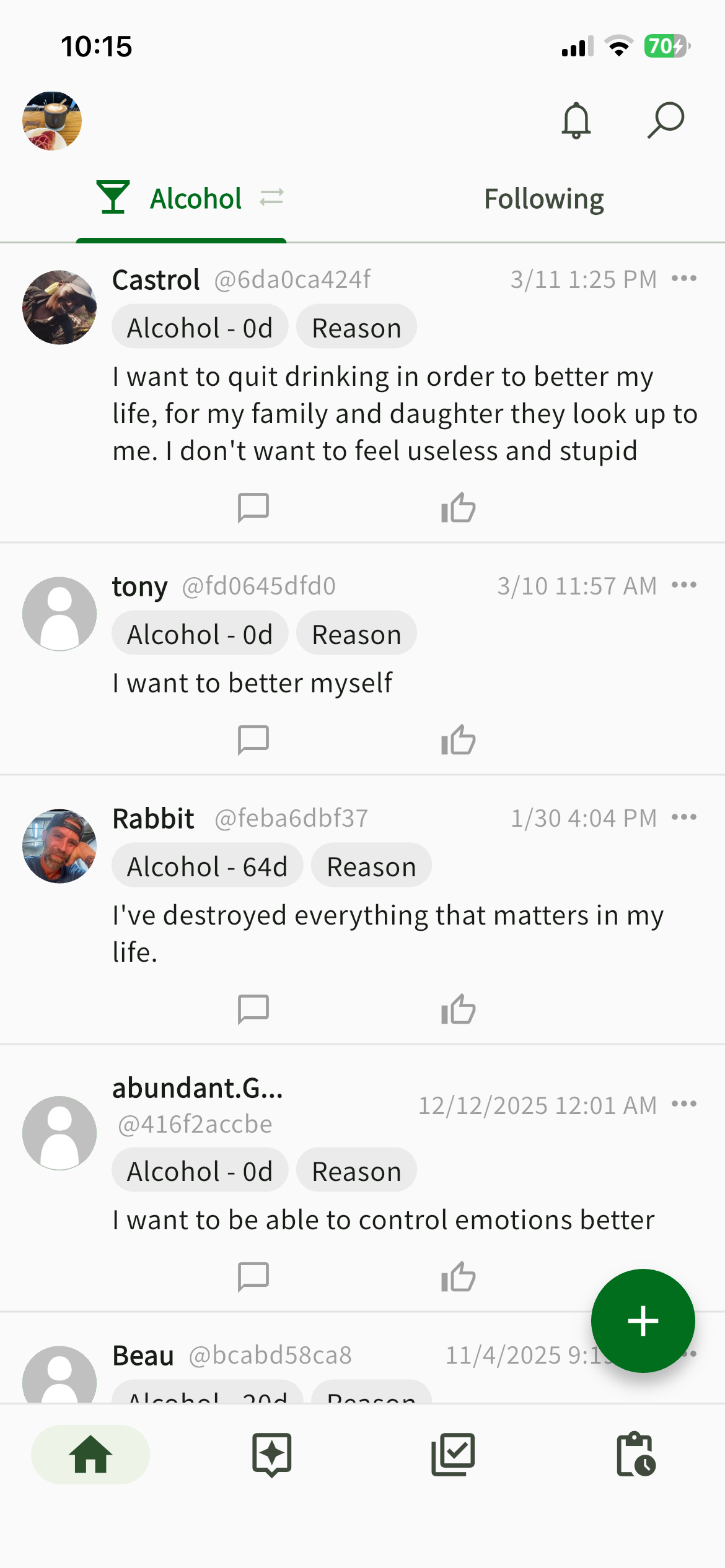
Connect anonymously with others who share your struggle. Whether it's alcohol, smoking, gambling, or other habits, you're not alone.