Want to Quit Gambling? 5 Steps Grounded in Recovery Science
Anyone who has tried to build a new habit knows the gap between intention and execution. You buy running shoes and they sit by the door for three weeks. You download a meditation app and open it twice. The interesting thing about habit research is that the people who succeed aren’t more disciplined; they’re better at restructuring their environment so the desired behavior becomes the path of least resistance.
Quitting gambling works on the same principle. Willpower is unreliable, especially when the brain’s reward system has been rewired by years of gambling. What the research points to instead is a set of structural changes, each one removing a piece of the infrastructure that keeps the cycle going.
Step 1: Quantify the damage
According to a survey by Japan’s Ministry of Health, Labour and Welfare, an estimated 3.6% of adults may have experienced a gambling disorder at some point in their lifetime (approximately 0.8% in the past year) according to a 2017 national survey. Yet only a small fraction ever seek professional help.
The first step is to put concrete numbers on where things stand. Total amount spent. Total debt accumulated. Hours per week devoted to gambling. The format doesn’t matter (paper, phone notes, spreadsheet). The point is to convert vague feelings into specific figures.
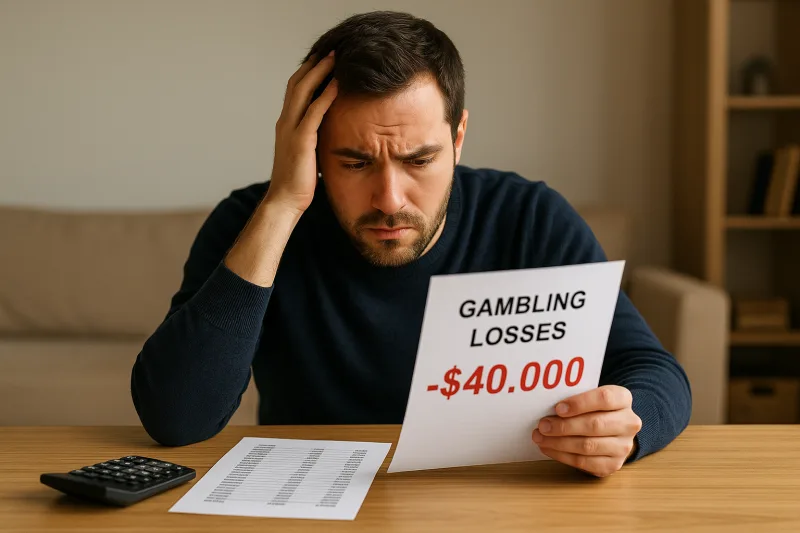
This exercise works because it breaks through the mental fog that gambling disorders create. It’s common for people to significantly underestimate their losses until they see everything laid out. One person who had accumulated 3 million yen in pachinko debt described spreading out all his statements and seeing the total for the first time as the moment he decided to seek help.
For a deeper look at the neurological mechanisms that make gambling so hard to quit, see “Why Can’t You Stop Gambling?.”
Step 2: Block the path to gambling
Access is the oxygen that keeps gambling behavior alive. Cutting it off is more effective than relying on willpower in the moment.
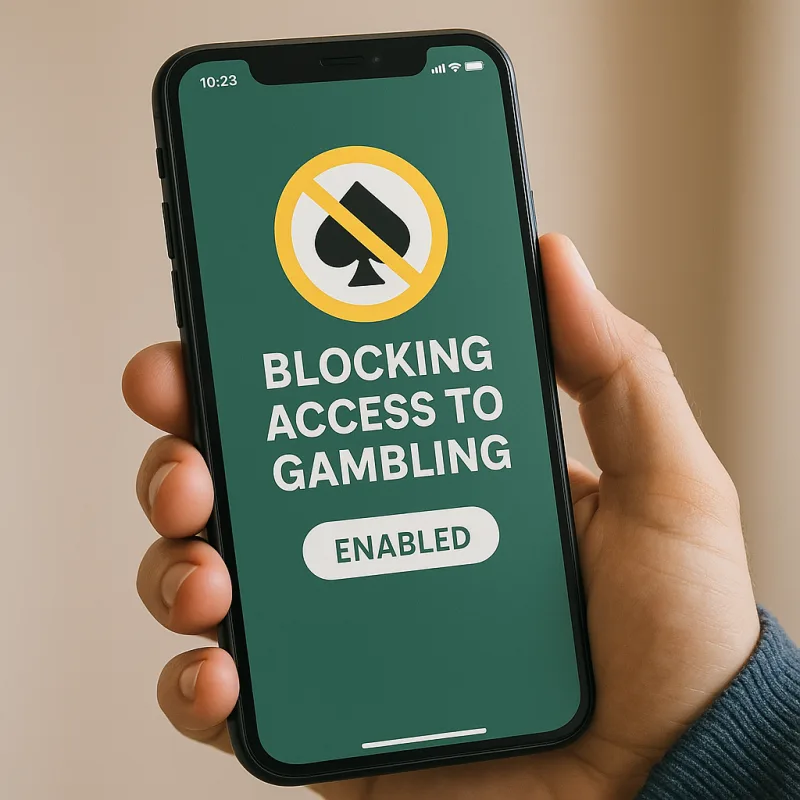
Pachinko parlors in Japan offer a self-exclusion and family-exclusion program, a formal request to be denied entry. On phones and computers, apps like Gamban or BetBlocker block gambling sites. Some credit card providers also offer gambling transaction restrictions.
A surprisingly useful exercise is identifying the specific triggers: when and in what mood the urge to gamble hits. Payday evening. The commute home after a bad day. A quiet Sunday afternoon with nothing planned. Once the patterns become visible, you can schedule alternative activities during those windows.
In recent years, sports betting (where a bet is a single tap away) has been surging. For more on why blocking online access is especially critical, see “The Rise of Sports Betting and Addiction Risk.”
Step 3: Connect with peers and professionals
Isolation is one of the strongest predictors of poor recovery outcomes. Research shows that people who participate in peer support have a treatment retention rate roughly 1.4 times higher than those who don’t (Eddie et al., 2025).
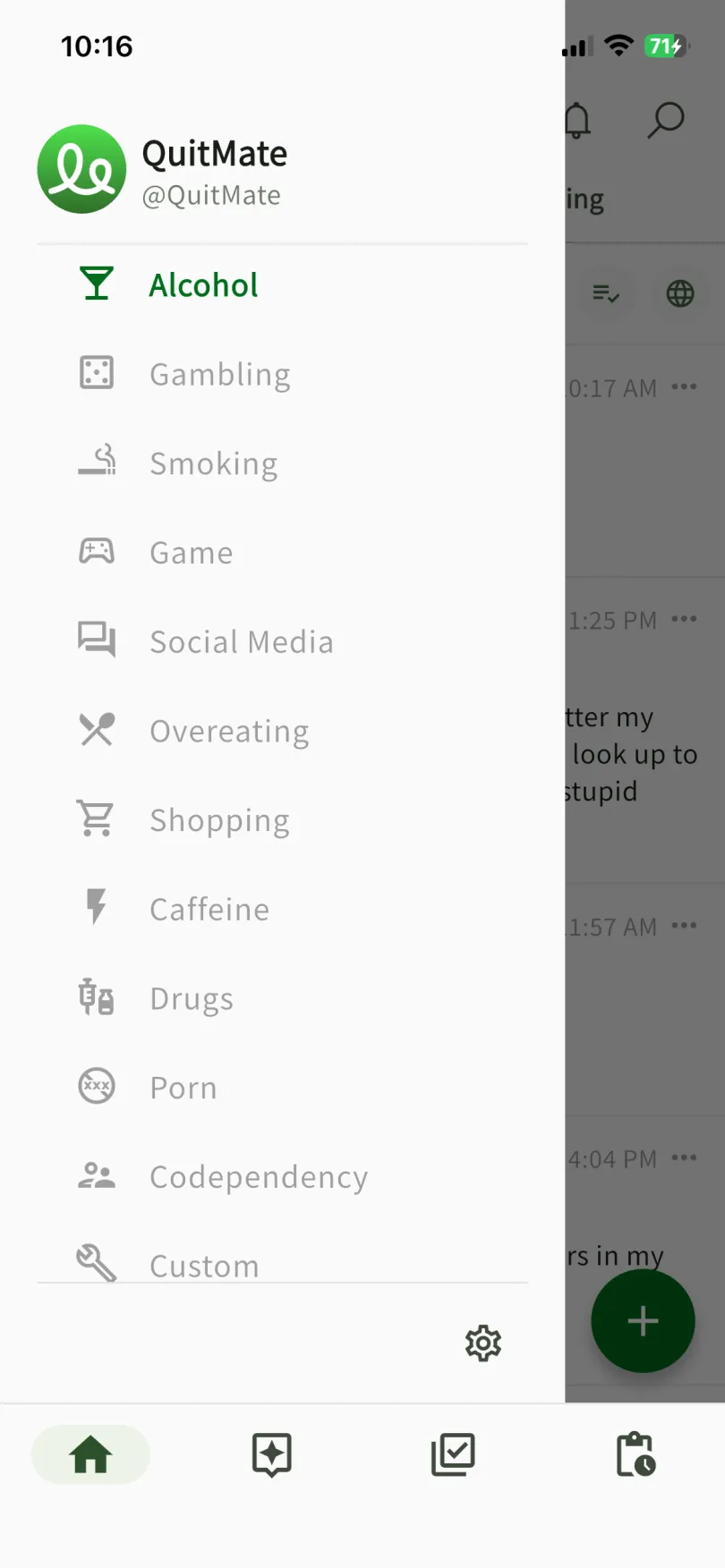
Gamblers Anonymous (GA) holds meetings across the country, and anonymous attendance is the norm. Online communities like QuitMate also provide connection points for people working through recovery.
A practical step that many people find effective: handing control of finances (wallet, bank account) to a trusted person for 90 days. It sounds drastic, but environmental changes like this tend to have outsized impact.
For more structured intervention, CBT (Cognitive Behavioral Therapy) can help rewrite thought patterns like “if I just keep betting, I’ll win it all back.” Medication-based approaches using drugs like nalmefene can ease cravings. Both outpatient and inpatient options exist.
For more on the mechanics of peer support, read “The Effects and Meaning of Peer Support.”
Step 4: Fill the reward gap
An addicted brain’s dopamine circuits have been overstimulated by gambling, and cutting off the supply creates a reward vacuum (Volkow & Morales, 2015). The circuits are still demanding stimulation.
This is why finding healthy replacement rewards matters. Twenty jumping jacks. A five-minute walk outside. One lesson on a language-learning app. A new chord on guitar. When the pull toward a betting app hits, sending a message to a friend instead. Each of these is small, but for the brain, each one is a data point that rewards exist beyond gambling.
Even “paper betting” (predicting outcomes without money on the line) triggers the brain’s reward system. For more on this, see “Should You Practice Paper Betting?.”
Step 5: Ride out the craving wave
Gambling cravings tend to strike without obvious warning. A horse racing commercial. A payday notification. Sometimes no trigger at all, just a thought drifting in at night.
Clinical experience suggests that gambling cravings naturally peak and subside within 10 to 20 minutes. They function like waves: they rise, then pull back.
A technique called urge surfing takes advantage of this. When the impulse hits, rate its intensity on a scale of 1 to 10. Take a deep breath. Wait a few minutes and rate it again. The number typically drops. The goal is to observe the wave rather than get pulled under by it.
It also helps to prepare an “SOS list” in advance: three people to contact when the urge strikes.
If a slip happens despite all of this, the most productive response is not guilt but action. Reach out to a support contact immediately. Check losses. Reset blockers. A single slip doesn’t erase accumulated progress. Recovery is not a streak; it’s a direction.
References
- Ministry of Health, Labour and Welfare, Japan (2017). “Epidemiological Survey on Gambling Disorders” (National Survey on Gambling-Related Problems).
- Eddie, D. et al. (2025). Peer Recovery Support Services and Recovery Coaching for Substance Use Disorder: A Systematic Review. Current Addiction Reports.
- Hodgins, D. C. & el-Guebaly, N. (2004). Retrospective and prospective reports of precipitants to relapse in pathological gambling. Journal of Consulting and Clinical Psychology, 72(1), 72-80.
- Volkow, N. D. & Morales, M. (2015). The brain on drugs: from reward to addiction. Cell, 162(3), 403-413.
- Cowlishaw, S. et al. (2012). Psychological therapies for pathological and problem gambling. Cochrane Database of Systematic Reviews.
- Petry, N. M. et al. (2006). Cognitive-behavioral therapy for pathological gamblers. Journal of Consulting and Clinical Psychology, 74(3), 555-567.
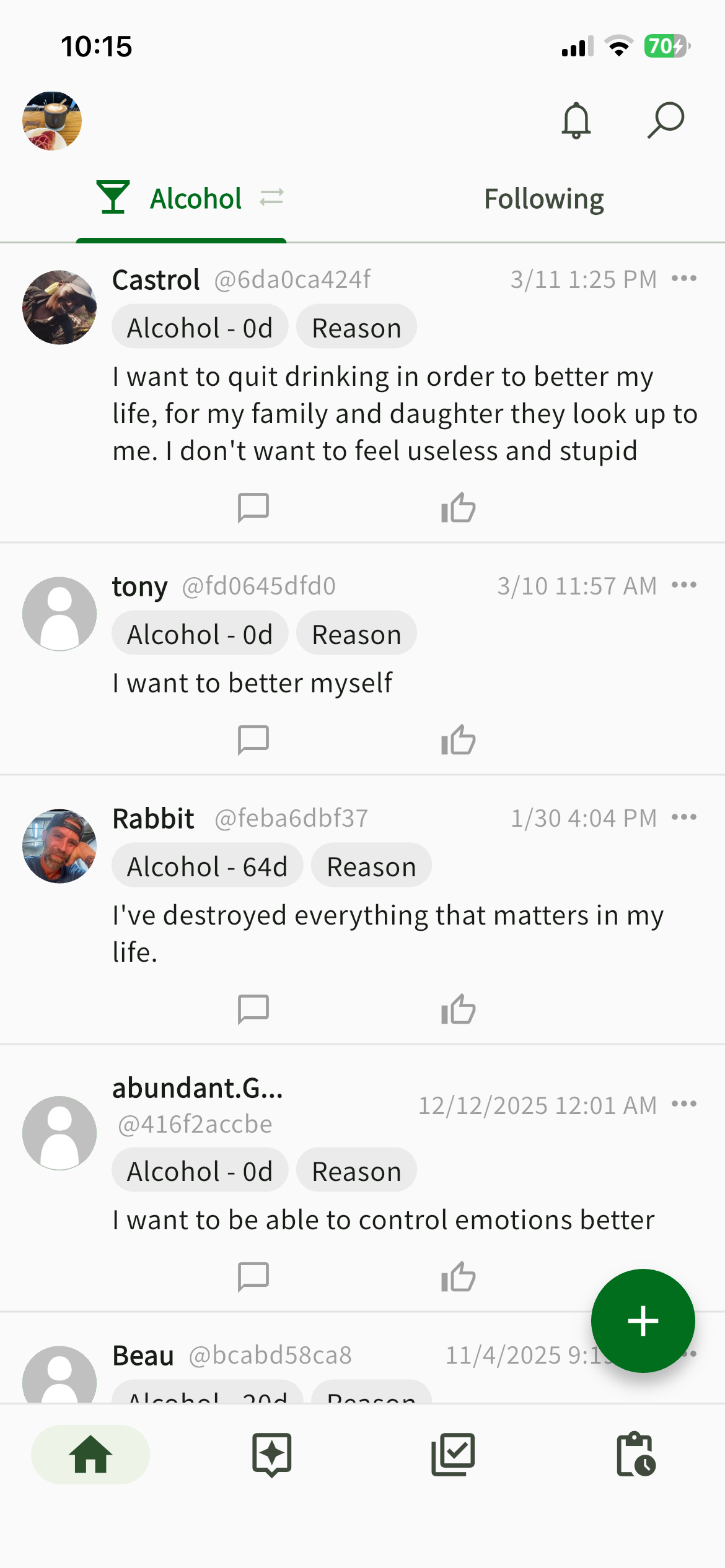
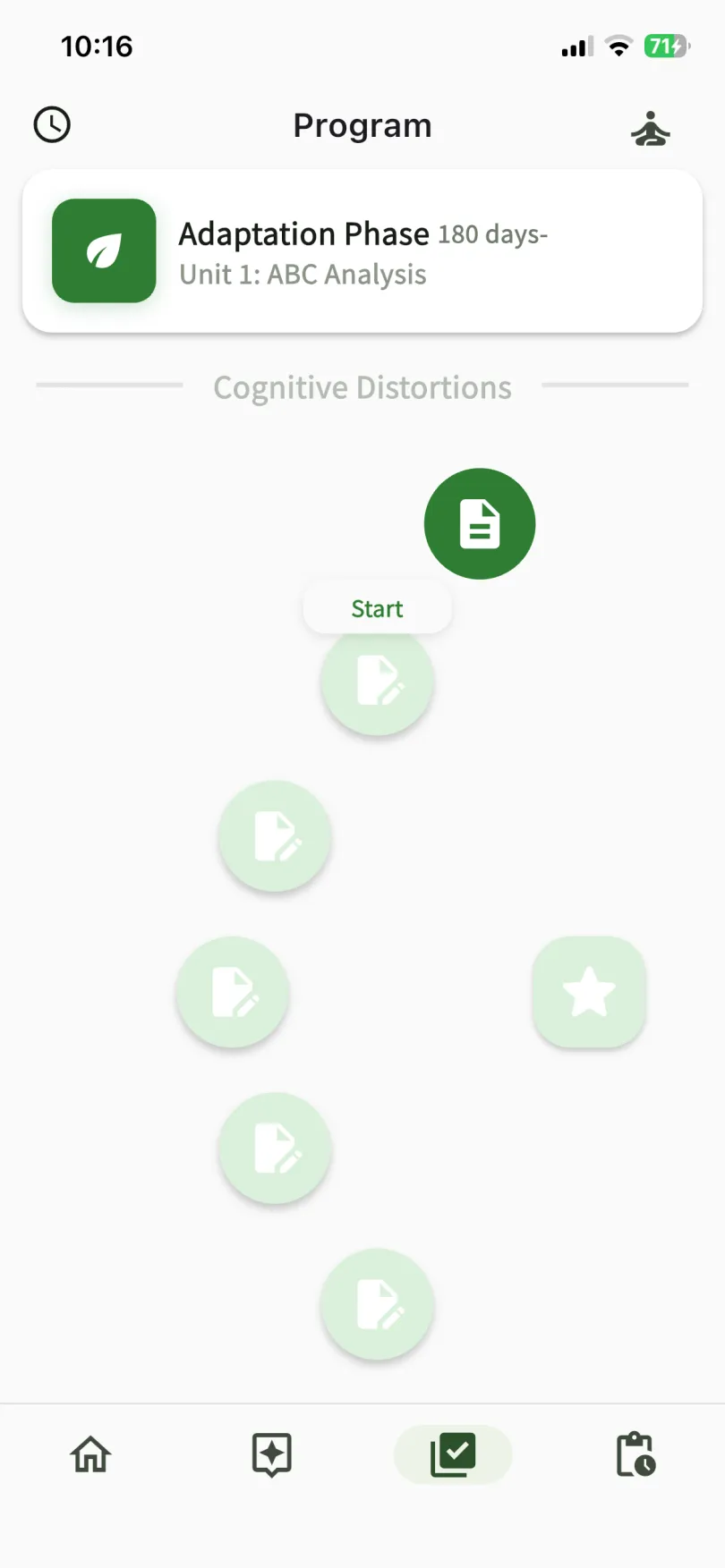

QuitMate
Together, you can quit
Connect anonymously with others who share your struggle. Whether it's alcohol, smoking, gambling, or other habits, you're not alone.