
What Is the Rat Park Experiment? The Surprising Link Between Loneliness and Addiction
“One hit and you’re hooked.” That’s more or less what we were all taught about drugs — in school, on TV, everywhere. Once you’re in, you can’t get out. So stay away.
In the 1970s, a Canadian psychologist started questioning that story.
What was happening inside the shoebox
Drug addiction experiments before that point all followed the same setup. Put a rat in a metal cage about the size of a shoebox. Give it two bottles — one with plain water, one with morphine water.
The rat drank the morphine water. Every time, in every experiment.
That result became the basis of “drugs are instantly addictive” — the line repeated in textbooks and on TV for years.
But psychologist Bruce Alexander got stuck on something. Of course the rat drank the morphine. There was nothing else in the cage. No room to run. No companions. When morphine is the only thing going on, morphine is what you pick.
Was this an experiment proving how addictive drugs are? Or was it just showing what isolation does to a rat?
What happens when you give rats a decent life
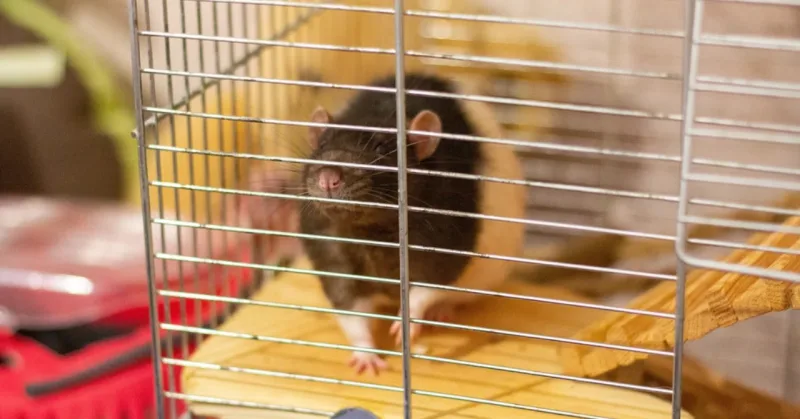
What Alexander built was “Rat Park” — literally, a park for rats.
It was roughly 200 times the size of a standard cage. Soft wood shavings on the floor. Running wheels and balls. And most importantly, a dozen or more rats living together — males and females. They could run, play, and sleep curled up next to each other. A normal life, by rat standards.
He put the same two bottles in the space. Plain water and sweetened morphine water. Drink whatever you want, as much as you want.
The Rat Park rats didn’t care about morphine
The isolated rats drank the morphine water heavily, as expected.
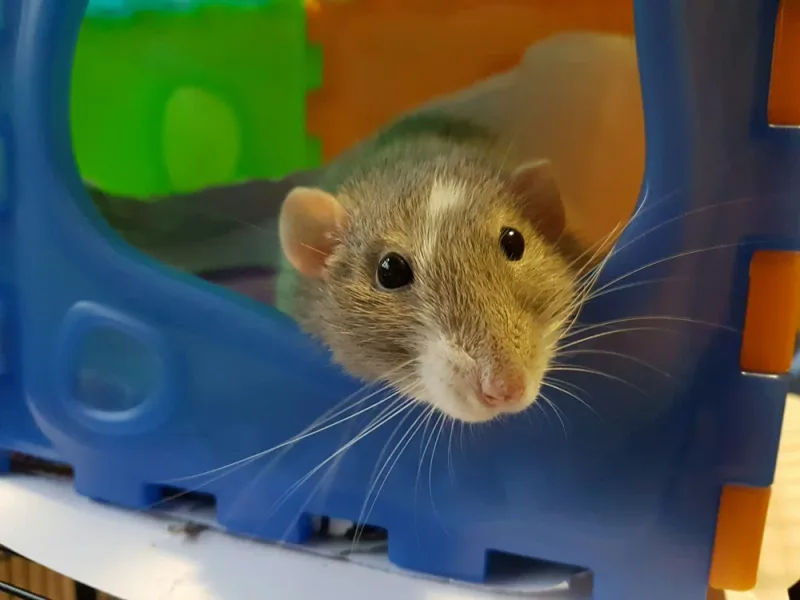
The Rat Park rats barely touched it. A little taste at first, then nothing.
Here’s where it gets interesting. Rats that had been on morphine for days were moved into Rat Park. Their morphine intake dropped sharply. Once they started living with other rats, they chose plain water.
The reverse happened too. Rats pulled out of Rat Park and put into small cages started reaching for the morphine.
The drug wasn’t the deciding factor. The environment was.
But it’s not that simple
The experiment has weaknesses.
Other teams tried to replicate the results under the same conditions and didn’t always succeed (Petrie, 1996). Small changes in rat strain or drug concentration could shift the outcome. And of course, what happens in rats doesn’t map neatly onto humans. Human addiction involves genetics, neural circuits, and social context tangled together in ways far more complex than a rat colony can model (for more, see “Why Do People Become Addicted?”).
Alexander himself has said that environment is one important factor, not the only one. The experiment was never meant to prove that “connection alone cures addiction.”
Still, the idea that “addiction is just weak willpower” clearly doesn’t hold up. The role of environment and relationships in recovery is something most researchers now accept.
Connection isn’t a cure-all, but it works
Journalist Johann Hari’s TED talk popularized the phrase “the opposite of addiction is connection” — essentially a human translation of the Rat Park findings.
Epidemiological research backs the core idea: loneliness and social isolation raise addiction risk. On the flip side, people who participate in peer support see treatment continuation rates improve by roughly 1.4 times.
Addictive behavior, looked at from another angle, can be a way of shielding yourself from emotional pain. When things get hard, people reach for something — alcohol, gambling, drugs. If connection with other people is available, you lean on that instead. That’s basically what Rat Park is saying.
The question Rat Park posed is simple: lock anyone in a small cage long enough, and they’ll get hooked on something.
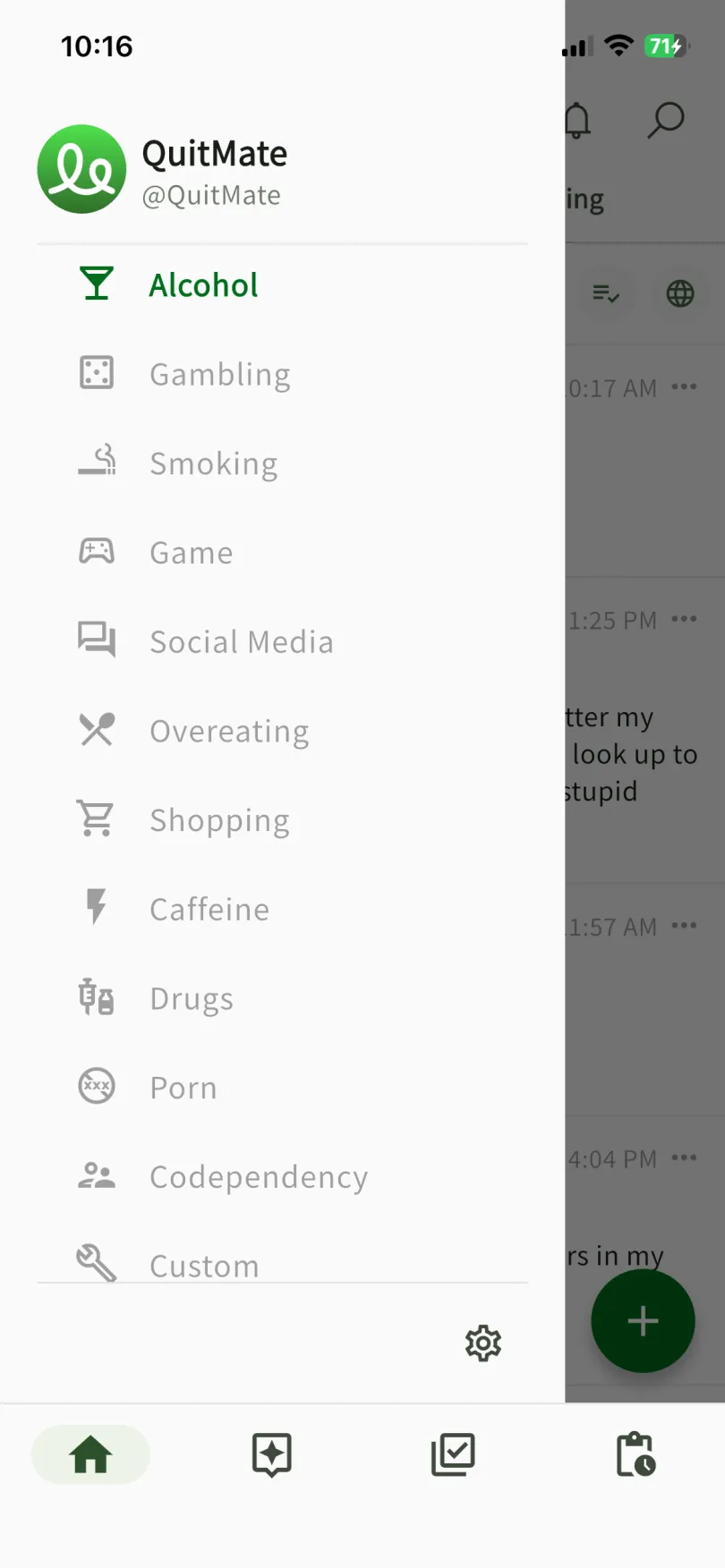
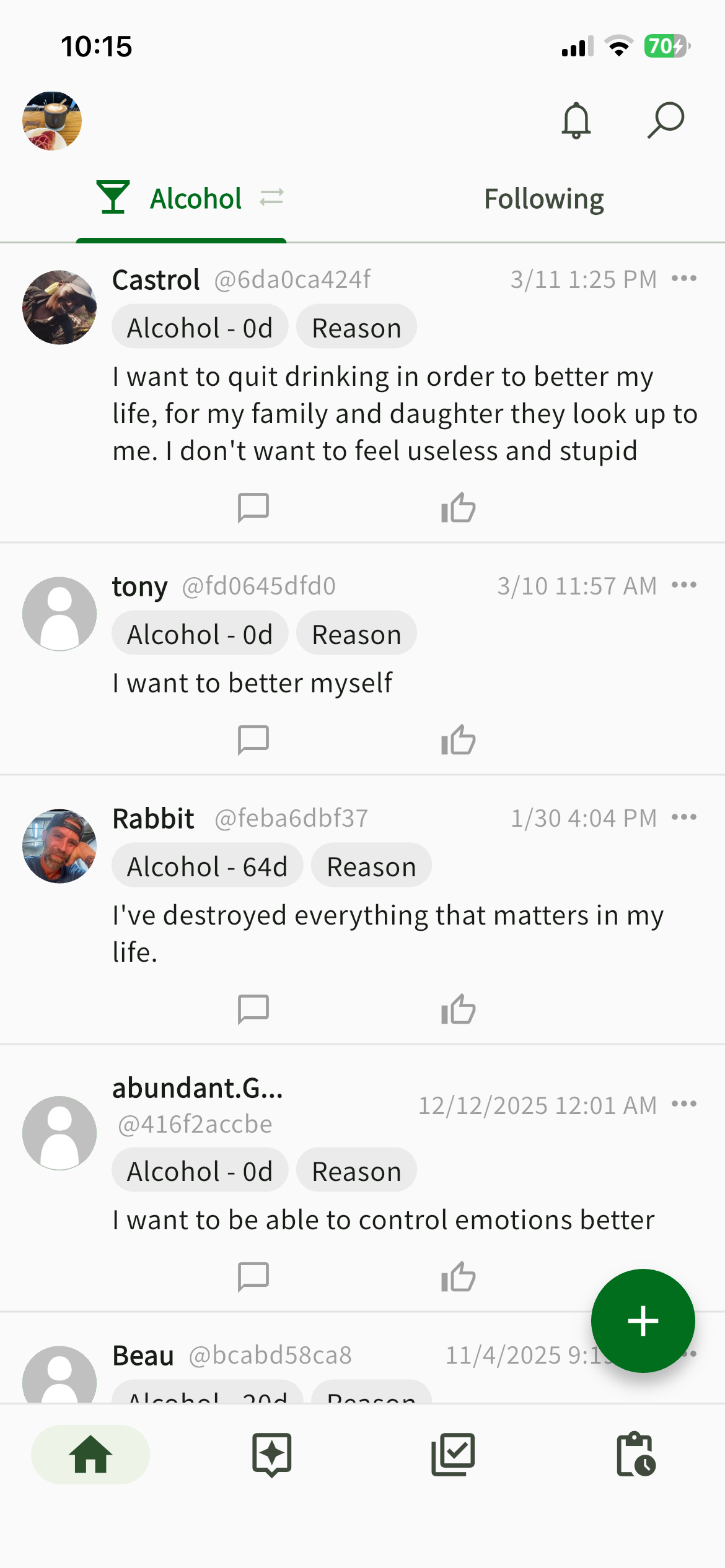
QuitMate was heavily influenced by this experiment. Just as the Rat Park rats forgot about morphine when they had companions, we wondered if we could build a place online where people don’t have to fight alone. We can’t build a giant theme park, but we can build an anonymous community where people connect at their own pace.
Real life doesn’t sort as neatly as a rat experiment. For a lot of people, forming connections is itself the hard part. But there are ways out of the small cage — self-help groups, stopping the cycle of self-blame, or just finding one small space where you’re not alone.
References
- Alexander BK, Beyerstein BL, Hadaway PF, Coambs RB. “Effect of early and later colony housing on oral ingestion of morphine in rats.” Pharmacology Biochemistry and Behavior. 1981;15(4):571-576.
- Alexander BK, Coambs RB, Hadaway PF. “The effect of housing and gender on morphine self-administration in rats.” Psychopharmacology. 1978;58(2):175-179.
- Petrie BF. “Environment is not the most important variable in determining oral morphine consumption in Wistar rats.” Psychological Reports. 1996;78(2):391-400.
- Hari J. Chasing the Scream: The First and Last Days of the War on Drugs. Bloomsbury Publishing, 2015.
- Heilig M, et al. “Addiction as a brain disease revised: why it still matters, and the need for consilience.” Neuropsychopharmacology. 2021;46(10):1715-1723.

QuitMate
Together, you can quit
Connect anonymously with others who share your struggle. Whether it's alcohol, smoking, gambling, or other habits, you're not alone.