Why the Almost-Win Feels Worse Than Losing. The Science of the Near-Miss
The reels are lining up. Just the third reel is still spinning.
Your heart pounds. You hold your breath, waiting for it to stop. It lands off. A loss.
And yet you can’t step away. “The next one for sure,” and you push in another bill. Past ten at night, the cash in your wallet is gone.
On the train home, a hazy thought surfaces. That one jackpot you hit today didn’t stay with you nearly as much as that near-miss from a little while ago. Why is that?

It’s a loss, but the brain treats it like a win
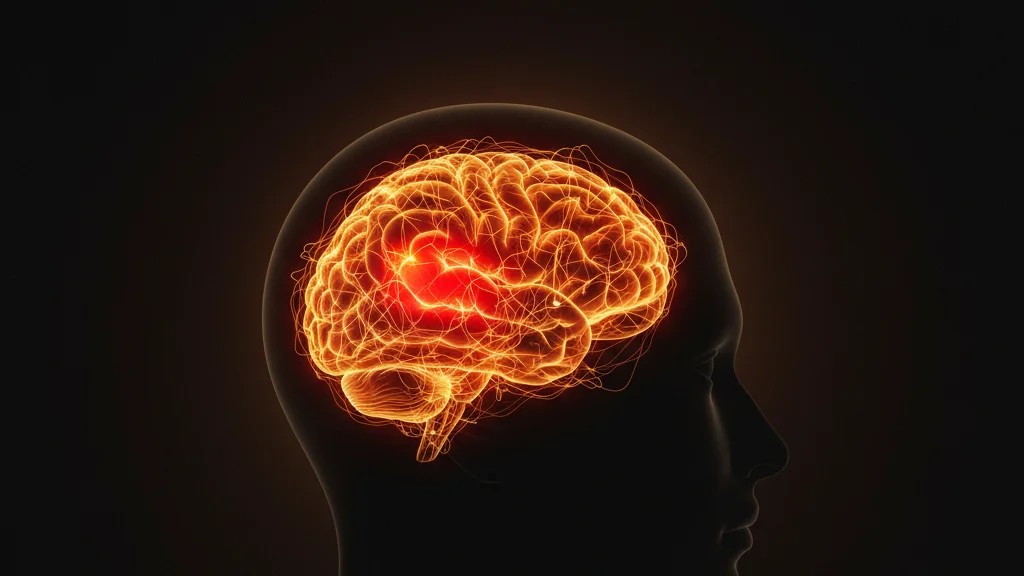
In 2009, a team at the University of Cambridge scanned the brains of people playing slot machines with MRI. Three conditions: a full win, a near-miss, and a clean loss.
During near-misses, the brain regions that respond to winning lit up at levels close to an actual win. Payout: zero. Objectively, a loss. The brain didn’t see it that way.
There was another finding that matters. The part of the brain that reads internal body signals — the pounding heart, the tight chest, the chill on the back of the neck — lit up more strongly during near-misses than during wins. And the people whose brains reacted most intensely here were the same people who felt the strongest urge to “play again,” and who had the more serious gambling problems in daily life.
A win ends. A near-miss doesn’t.
What lingers after a win versus a near-miss is completely different.
When you hit, the flashy payout animation kicks in. Coins or balls come clattering out. “Finally, got some of it back.” The pounding heart settles. The brain files it away: job done.
A near-miss doesn’t close like that. The result is a loss, but “I was so close” stays with you. Heart still pounding, hand still on the handle. The brain is already waiting for the next pull.
Inside the brain, the circuit that creates “wanting” and the circuit that creates “liking” are separate systems. A near-miss doesn’t deliver the “liking.” But it flips the “wanting” switch cleanly. That’s why “it’s not even fun anymore, but I can’t stop” is a real experience.
Long-time gamblers say it out loud. “Winning doesn’t feel as good as it used to. But I still find myself heading to the parlor.” That’s what happens when “wanting” grows out of proportion. The full dopamine-and-addiction picture is in “Why Do People Get Addicted? How the Brain and Mind Work.”
Near-misses make you sweat more than wins
A separate study measured palm sweat during slot play — the kind of sweat that shows up when you’re tense. The amount tracks with how aroused the body is.
Sweat during a near-miss was equal to or greater than sweat during a win. The body was reading “almost-win” as more intense than the real thing.
A Canadian study compared slot machines with no near-misses to machines tuned to produce a near-miss about one in four plays. The second version kept players at the machine roughly 33% longer.
Near-misses aren’t “production to excite the customer.” They’re a mechanism to keep the excitement from ending.
The parlor is built to manufacture that thrill
The thousands of machines in a pachinko parlor are deliberately designed around the near-miss effect.
Unlike the physical reels on older machines, electronically controlled machines have a computer deciding how the reels stop. Near-miss frequency can be tuned independently of the actual probability of winning.
And the less predictable a reward is, the harder it is to stop chasing it. Rats in a lab push a lever longest when the payoff schedule is unpredictable. Slot machines and pachinko package this principle directly into the “I almost had it” feeling.
There’s also the trick of a loss dressed up as a win. You put in 10,000 yen and 5,000 comes back. Net loss. But the machine flashes lights and blasts a winning fanfare. The brain buys the illusion.
Multi-line slot machines are designed to produce these “losses disguised as wins” constantly. While you play, you feel like you’re “winning” the entire time.
The thrill you feel on a casino floor isn’t just the brain going off on its own. You’re landing exactly on the response the machines are built to maximize. The bigger picture of the “sometimes you win” mechanism is in “The Real Reasons You Can’t Stop Gambling, Explained Through Brain Science and Psychology.”
What you can do starting today
Once you can see the mechanism, there are three things you can do.
Notice the body signals. When the reels start to line up and your heart kicks, pause for a beat and remind yourself: “my brain is reacting right now.” That pause alone can make it a little harder to reach for the next pull. Mindfulness and meditation help in addiction recovery because they build exactly this ability to feel what the body is doing.
Put physical distance between you and the machine. Willpower is a weak tool here. Not being near it is the strongest move. Self-exclusion programs at pachinko parlors and casinos, blocking apps for online gambling (Gamban, BetBlocker), gambling blocks on your bank account. Use every tool available. The step-by-step version is in “Want to Quit Gambling? 5 Steps Grounded in Recovery Science.”
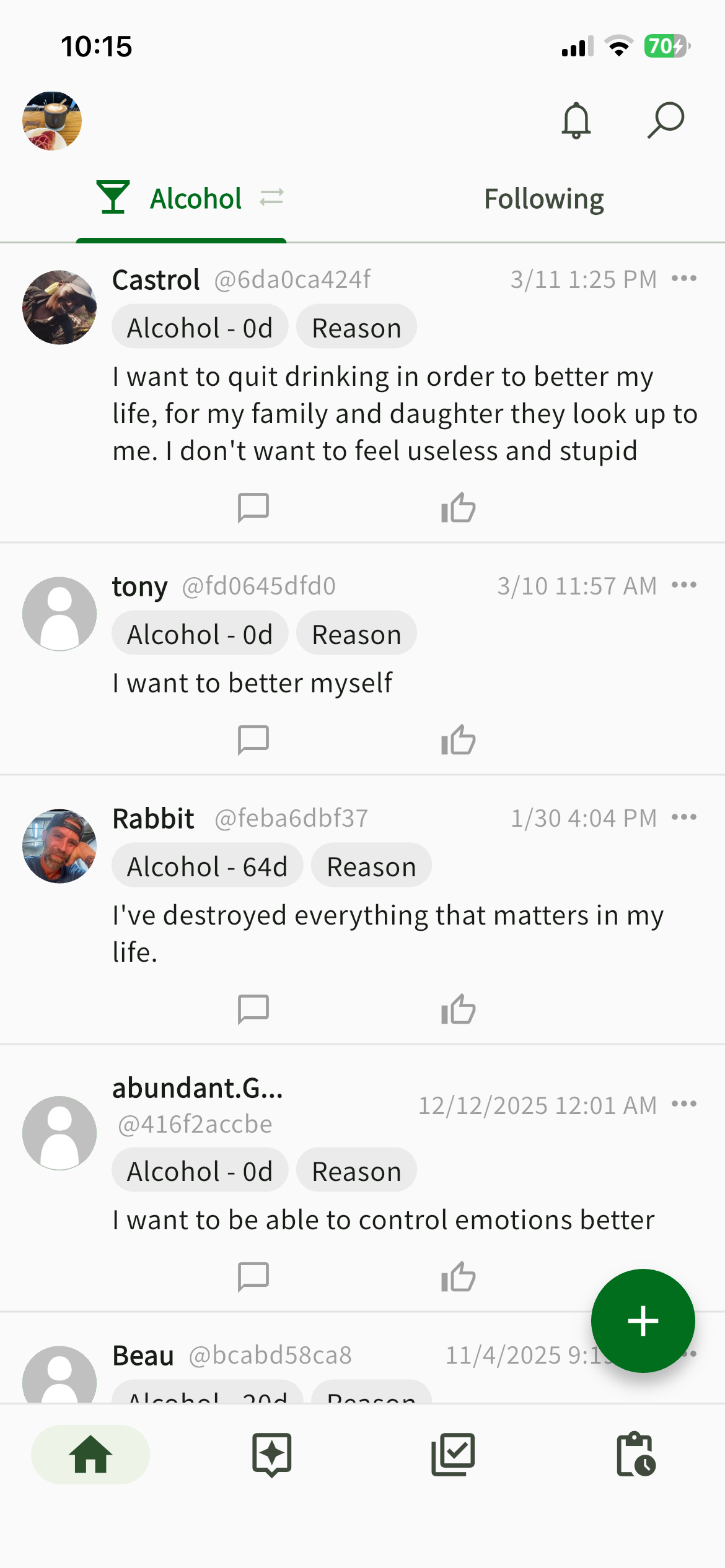
Read what others with the same experience have written. There are people who have put “the moment the reels line up” into words. At Gamblers Anonymous (GA) meetings, or in online communities like QuitMate, reading someone describe the same physical sensation you know from the inside lets you start to see yourself and your brain as two slightly separate things.
In summary
The thrill that runs through you during a near-miss isn’t excitement that appears out of nowhere. In the brain, body-arousal stronger than a real win and expectation that won’t shut off are firing at the same time. The machine is built to maximize that.
“I want to stop, but my feet keep heading there” isn’t a willpower problem. Brain wiring and machine design are both pointed in the direction of making it hard to stop.
When the mechanism becomes visible, the question changes. From “why am I so weak?” to “what am I reacting to?” That’s where the next step becomes visible.
References
- Clark, L., Lawrence, A. J., Astley-Jones, F., & Gray, N. (2009). Gambling near-misses enhance motivation to gamble and recruit win-related brain circuitry. Neuron, 61(3), 481–490.
- Wulfert, E., Franco, C., Williams, K., Roland, B., & Maxson, J. H. (2008). The role of money in the excitement of gambling. Psychology of Addictive Behaviors, 22(3), 380–390.
- Côté, D., Caron, A., Aubert, J., Desrochers, V., & Ladouceur, R. (2003). Near wins prolong gambling on a video lottery terminal. Journal of Gambling Studies, 19(4), 433–438.
- Dixon, M. J., Harrigan, K. A., Sandhu, R., Collins, K., & Fugelsang, J. A. (2010). Losses disguised as wins in modern multi-line video slot machines. Addiction, 105(10), 1819–1824.
- Berridge, K. C., & Robinson, T. E. (1998). What is the role of dopamine in reward: hedonic impact, reward learning, or incentive salience? Brain Research Reviews, 28(3), 309–369.
You may also like
The Suffering of Gambling Addiction Stays Hidden
The U.S. has roughly 2.5 million adults with severe gambling problems. Less than 10% will ever seek treatment. The rest live without showing it to anyone. What's happening inside that hidden majority, and what can be done?
Why Telling Gamblers "You'll Lose" Backfires
Try seriously explaining how gambling math works to someone in it, and the response is reliably defensiveness or anger. "What does an outsider know?" "There are suckers in the room — that's why I make money." This isn't a personality or intelligence problem. It's a phenomenon explained by psychological reactance, cognitive dissonance, and motivational interviewing research.
The Real Reasons You Can't Stop Gambling, Explained Through Brain Science and Psychology
The question 'why can't I stop when I know I'll lose?' misses the point. Gambling addiction has less to do with money or willpower and more to do with the brain's reward system, dopamine, and the role of emotional pain. This article covers the neuroscience and practical steps toward recovery.
Is 'Winning Overall' at Gambling Just an Illusion? The Dangerous Tricks Your Brain Plays
Most gamblers who believe they're 'up overall' are wrong, and the reasons are structural. This article explains the house edge, confirmation bias, the gambler's fallacy, and the sunk cost fallacy, and why these cognitive biases make accurate self-assessment nearly impossible.