
Three Weeks to One Month Without Alcohol: Evenings, Invitations, and Checkups

An evening without drinking can feel spacious one day and uncomfortably empty the next. Around a month, you may be finding ways to spend that time, while still deciding what to do about dinners, weekends, and invitations where alcohol is expected.
Those situations are worth preparing for on their own terms. There is no established “week-three wall” that everyone reaches, and a small share of recorded resets in week three would not tell you the chance of relapse among everyone still abstaining.
What fits into a drinking-free evening?
One QuitMate account from day 24 describes a quiet evening:
“I’ve learned how to just relax and take it easy. In the evening, I meditate, journal, read a book, and there’s this sense of spaciousness. I open the window and the autumn breeze feels wonderful. My mind is at peace. When you’re free from addiction, even boredom is beautiful.”
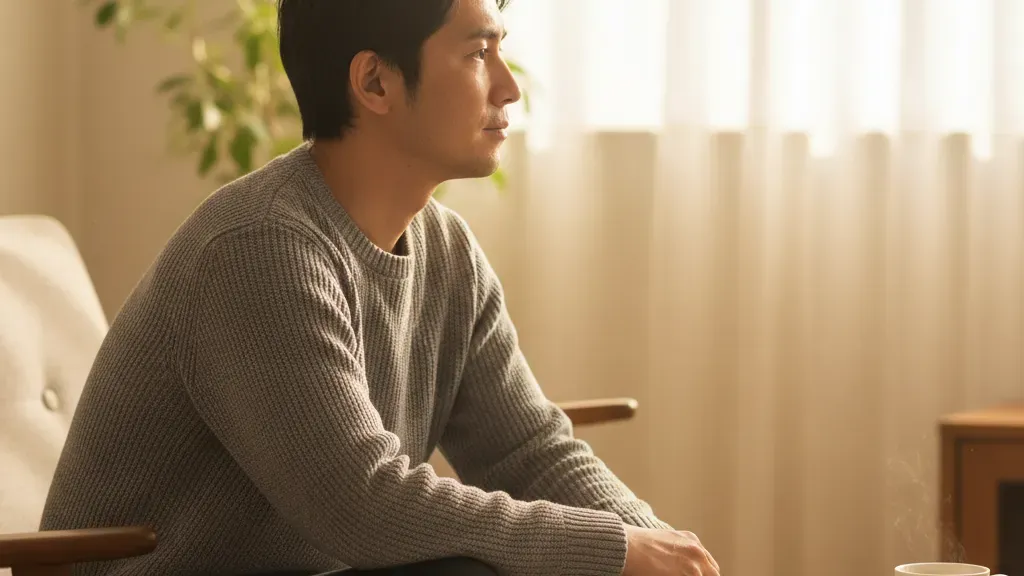
The books, open window, and time to sit are specific to this writer. You do not need to enjoy boredom to be making progress. If an empty evening is difficult, try giving part of it a shape: prepare dinner, meet someone for a walk, or set aside time for an activity you already like. A plan that works for an hour is useful even if it does not fill the whole night.
Prepare a response to an invitation
“A friend offered me a drink, but I turned it down and claimed victory with a C.C. Lemon soda instead.” (Day 25)
This day-25 record shows a refusal followed by another drink choice. You can prepare a simple, truthful response such as “I’m not drinking tonight.” You do not owe people a medical explanation. Decide how to get home and whether you want someone there to know your plan.
If particular events feel difficult, choose a shorter visit or a different way to meet. Driving should only be part of a plan when you can drive safely; it is not a fallback after drinking.
What a month can show in health measurements
A 2018 observational study found changes in several health measures among people who chose one month of abstinence. Participants were not randomly assigned, and the study excluded people with alcohol dependence or known liver disease. Its findings cannot promise the same change for every reader.
If you have follow-up blood tests or blood-pressure checks, tell your clinician how your drinking has changed. A lower test result is not automatically a resolution of liver disease. Do not change blood-pressure medicine on the assumption that abstinence has the same effect as a prescribed drug.
If “one drink” keeps coming to mind
Identify the situation around that thought. Is it the relief of finishing work, being offered a drink, or wanting a quick escape from a difficult day? NIAAA’s craving guidance can help you prepare a response before the moment arrives.
If you have a drink, seek the support you need and review what happened. A counter’s rules can change the displayed number; they do not erase the practical skills you used during the month. For the longer view of money, time, and remaining cravings, see three months to a year without alcohol.
You may also like

Three Months to a Year Without Alcohol: Money, Time, and Lasting Changes
Longer-term records describe spending decisions, relationships, and cravings that can remain. Explore those changes without treating three months or one year as a guaranteed turning point.
Changes After Quitting Alcohol: A Guide from the First Week to a Year
Find articles on early sleep difficulties, daily routines, one-month checkups, and longer-term changes. Personal records and research offer context without a guaranteed recovery schedule.

When Will You Feel Better After Quitting Alcohol? What to Watch For
Sleep, mood, appearance, and health measurements do not improve on one schedule. Learn what to observe, which symptoms need help, and how to compare your own changes.

Two Weeks Without Alcohol: What Feels Better and What Still Does Not
Appetite, sleep, and daily routines may change at different speeds. Individual records show why two weeks is a useful time to review your experience without expecting every symptom to resolve.

QuitMate
Together, you can quit
Connect anonymously with others who share your struggle. Whether it's alcohol, smoking, gambling, or other habits, you're not alone.