
Early Comments and Longer Streaks: What 599 QuitMate Records Show

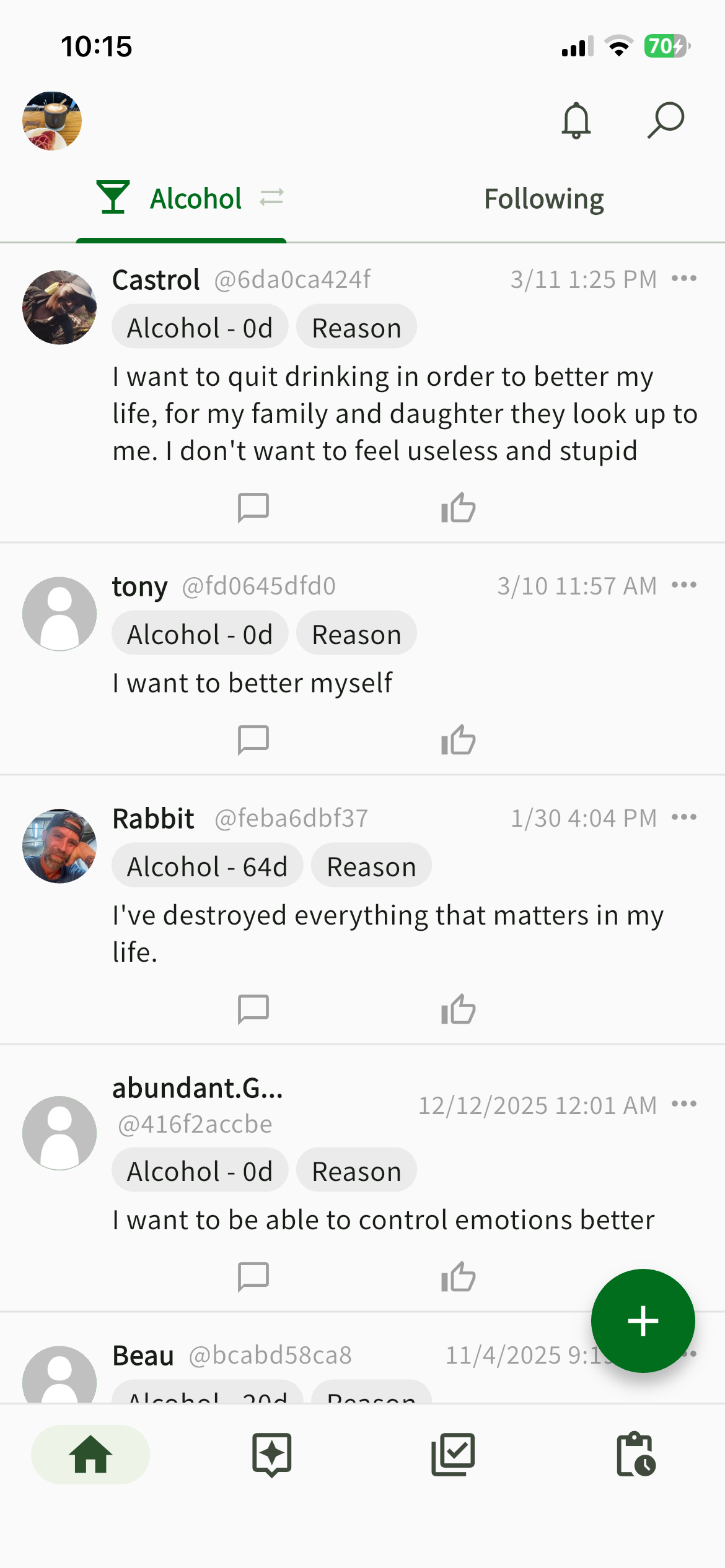
A comment can be a small act: acknowledging a difficult day, congratulating someone, or saying that part of their experience sounds familiar. We wanted to look at the people writing those comments, as well as the people receiving them.
In the QuitMate analysis below, users who wrote more early comments had longer maximum recorded streaks. This is an association in a selected group, not a measured effect of writing comments.
The comparison
The analysis included 599 users across categories such as gambling, alcohol, binge eating, pornography, and tobacco. Comments were counted during the first 14 days after registration; replies to the user’s own posts were excluded. The outcome was each user’s longest recorded streak, summarized as a median within each group.
| Comments written on others’ posts in the first 14 days | Users | Median of longest recorded streaks |
|---|---|---|
| 0 | 364 | 29 days |
| 1–2 | 114 | 36 days |
| 3–9 | 81 | 77 days |
| 10 or more | 40 | 114 days |
The 29-day and 114-day medians describe different groups. They do not mean that writing ten comments would turn one person’s 29-day streak into 114 days. This table also does not compare the benefit of writing with the benefit of receiving a comment.
Who was included?
The reported selection criteria were registration at least six months earlier, app use on at least eight of the first 14 days, and at least 40% “DAU coverage” across the period. This leaves out many less-active and newer users, so the table does not describe everyone who downloaded QuitMate.
The published method does not give a precise analysis cutoff or a full definition of the DAU-coverage calculation. Those details would be needed to reproduce the analysis. The figures here come from the existing app report; they are not a new data extraction.
Why the difference could appear
People who comment may differ in motivation, health, available time, or other support. Their recording habits may differ too. Selecting users for app activity does not remove those differences. A longest streak is also only one part of recovery; it does not capture finances, relationships, or clinical symptoms.
Research on helping others in AA has examined related questions about helping and drinking outcomes. It offers context, but it cannot establish the cause of the pattern in this app.
If you want to leave a comment
Respond to something the person actually wrote. “That evening sounded difficult” or “I’m glad you contacted someone” can acknowledge an experience without prescribing treatment. Avoid promises about how quickly they will recover.
There is no comment quota to meet. Reading without replying is an option, and supporting others should not mean taking responsibility for their safety or progress. The table gives us a reason to investigate how people connect. For someone using the community, kindness can remain a choice without becoming another target to meet.
You may also like

Recovery Can Mean Choosing a Different Life, Not Recreating the Past
Wanting an old life back can sit alongside fear of repeating a harmful pattern. One person's change of plan shows how recovery can involve new choices and support.

Online Recovery Communities and Treatment: How to Use Both
A community can offer a place to write between appointments. Learn how that differs from clinical care, what digital-support research covers, and how to plan for times when no one replies.

After a Lapse: Reviewing What Happened Without Attacking Yourself
An ABC record separates the situation, the behavior, and its consequences. Use a concrete example to identify what needs repair and what you could prepare differently next time.

Reflecting on an Addictive Behavior: Plan for the Next Time It Happens
A useful reflection ends with a response you can try in a specific situation. Learn how if–then plans turn a recent experience into something practical to review.

QuitMate
Together, you can quit
Connect anonymously with others who share your struggle. Whether it's alcohol, smoking, gambling, or other habits, you're not alone.