
How Sports Betting Gets Its Hooks in You, and What the Research Says About Getting Free
There’s a moment during any live sporting event where the score changes and a thought pops up: “I knew that was going to happen.” It feels like insight. Sports fans do this constantly, replaying what they would have predicted, mentally keeping score of their accuracy. Betting apps take that same instinct and attach real money to it. The transition from “I called it” to “I should bet on it” turns out to be a very short step, and the apps are designed to make it even shorter.
In Japan, total sales from public gambling (including online betting) reached roughly 7.8 trillion yen in fiscal 2023. Sports lotteries like toto and BIG hit an all-time high of 120.3 billion yen. On top of that, an estimated 6.45 trillion yen is reportedly flowing to illegal overseas betting sites. With just a smartphone, you can wager anytime, anywhere, around the clock.
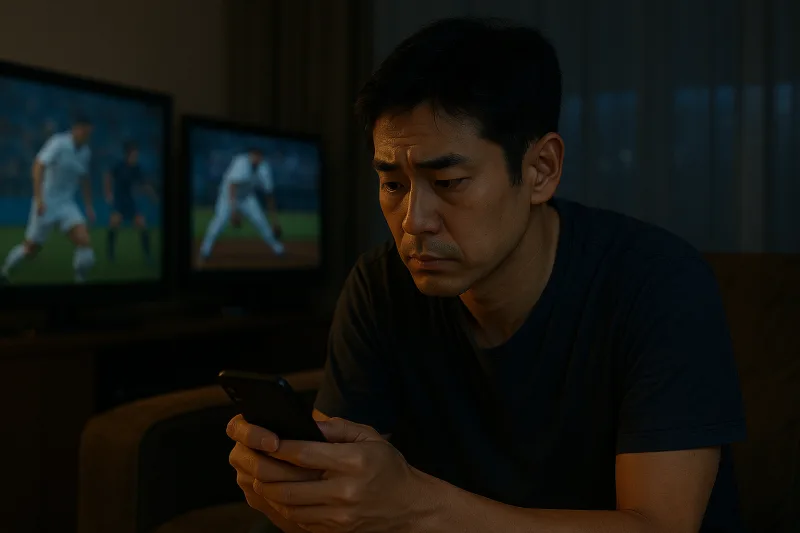
How in-play betting becomes a quicksand trap
The distinguishing feature of sports betting is that it makes you feel like skill matters.
With casino slots, most people recognize the outcome is random. But sports are different. Player form, team matchups, weather, recent results: the more research you do, the more it feels like an “informed bet.” Add live in-play betting, where odds shift every few seconds, and your brain gets a continuous drip of “now’s my chance” moments with no natural pause.
As covered in Why You Can’t Stop Gambling, what’s happening neurologically is repeated bursts of dopamine. When the reward system goes into overdrive, the prefrontal cortex (the region responsible for rational thinking) loses its ability to pump the brakes. The feeling of “I was going to stop, but before I knew it I was betting again” isn’t weak willpower. It’s a structural response in the brain.
Then there’s the near-miss effect. Even when you lose by a hair, your brain registers something close to a win. You’ve actually lost, but the sensation says “next time for sure.” If you sit down and honestly tally up your wins and losses, most people are in the red, yet the belief that you’re ahead overall persists. That’s cognitive bias doing its work.
How “just 500 yen” spirals out of control
A lot of people start with a small bet they consider harmless. But when a losing streak hits, the urge to “win it back” kicks in. When you keep narrowly missing, you think “next time for sure.” And with credit cards or mobile payment, topping up your account takes seconds. There’s no trip to the ATM, no moment of checking how much cash is left in your wallet. By design, there is almost no breathing room to reconsider.
On top of that, open any social media app or YouTube and you’ll see celebrities promoting betting apps. A friend’s story pops up: “Hit today!” It starts to look like just another normal part of watching sports. For people in their late teens and twenties especially, it might actually be harder to find a reason not to start.
What you can do when you want to stop
Here are some practical steps for putting distance between yourself and betting. You don’t have to do everything at once. Pick one thing that feels doable and try it.
Start by looking at your own numbers
Track how much you bet in a week, how many times, and your wins and losses. Check your screen time to see how long you’re spending on the app. Most people discover it’s “way more than I thought.” That moment of realization itself becomes a catalyst for change.
Cut off access, physically
Relying on willpower alone to “just not open it” is not a realistic strategy. Changing your environment is far more effective.
- Install an access-blocking app like Gamban
- Ask your bank or credit card company to block gambling-related MCC codes
- Register with a public racing/lottery self-exclusion program
Acknowledging that you can’t stop on your own isn’t weakness. It’s the most rational step toward recovery.
Deliberately add friction before you can bet
Set a 24-hour cooling-off period on deposits. Load a fixed weekly budget onto a prepaid card dedicated to betting, and make it physically impossible to spend beyond that.
What keeps “impulse betting” in check is inconvenience. Urges don’t last forever. As long as you have a system to ride out those few minutes to few hours, the storm will pass.
One related caution: using air bets (imaginary wagers) to cope might seem harmless at first glance, but it actually backfires. You end up “practicing” the desire to bet, which risks reigniting your cravings.
Find a different source of dopamine
What gambling provided was intense focus for a short period and the thrill of “I won!” Without a substitute, the emptiness becomes hard to bear.
Push yourself with HIIT (high-intensity interval training). Chase a higher score on a language-learning app. Battle it out in online chess or shogi. Anything works. Having just one thing you can get absorbed in gives you somewhere to go when the urge to bet hits.

Talk to someone
This is often the hardest step, and the most effective.
If you can’t tell your family, start with an anonymous helpline. The Gambling Addiction Helpline (0120-683-705) is available 24 hours a day, and you don’t have to give your name.
Research on peer support shows that people who connect with others who share their experience are roughly 1.4 times more likely to stay in treatment. Online communities like QuitMate can serve as a starting point if face-to-face conversation feels like too much.
Professional approaches like CBT (cognitive behavioral therapy) and motivational interviewing have also been shown to significantly reduce the risk of relapse.
Wrapping up
Sports betting looks sleek and strategic on the surface. Behind the scenes, it’s a system engineered to stimulate your brain’s reward circuitry second by second.
If you want a concrete roadmap, take a look at 5 Steps to Quit Gambling as well.
References
- Ministry of Internal Affairs and Communications, Ministry of Agriculture, Forestry and Fisheries, Ministry of Land, Infrastructure, Transport and Tourism, et al. “Public Racing/Lottery Sales Trends (Fiscal 2023)”
- Mainichi Shimbun. “Estimated 6.45 Trillion Yen Flowing to Overseas Sports Betting.” May 22, 2025.
- Japan Sport Council. “Sports Lottery Fiscal 2023 Sales Performance Report”
- National Center of Neurology and Psychiatry. “Clinical Guidelines for Gambling Disorder.” 2024 edition.
- Gainsbury, S. M. et al. “In-Play Betting and Problem Gambling: A Systematic Review.” Journal of Gambling Studies, 2023.
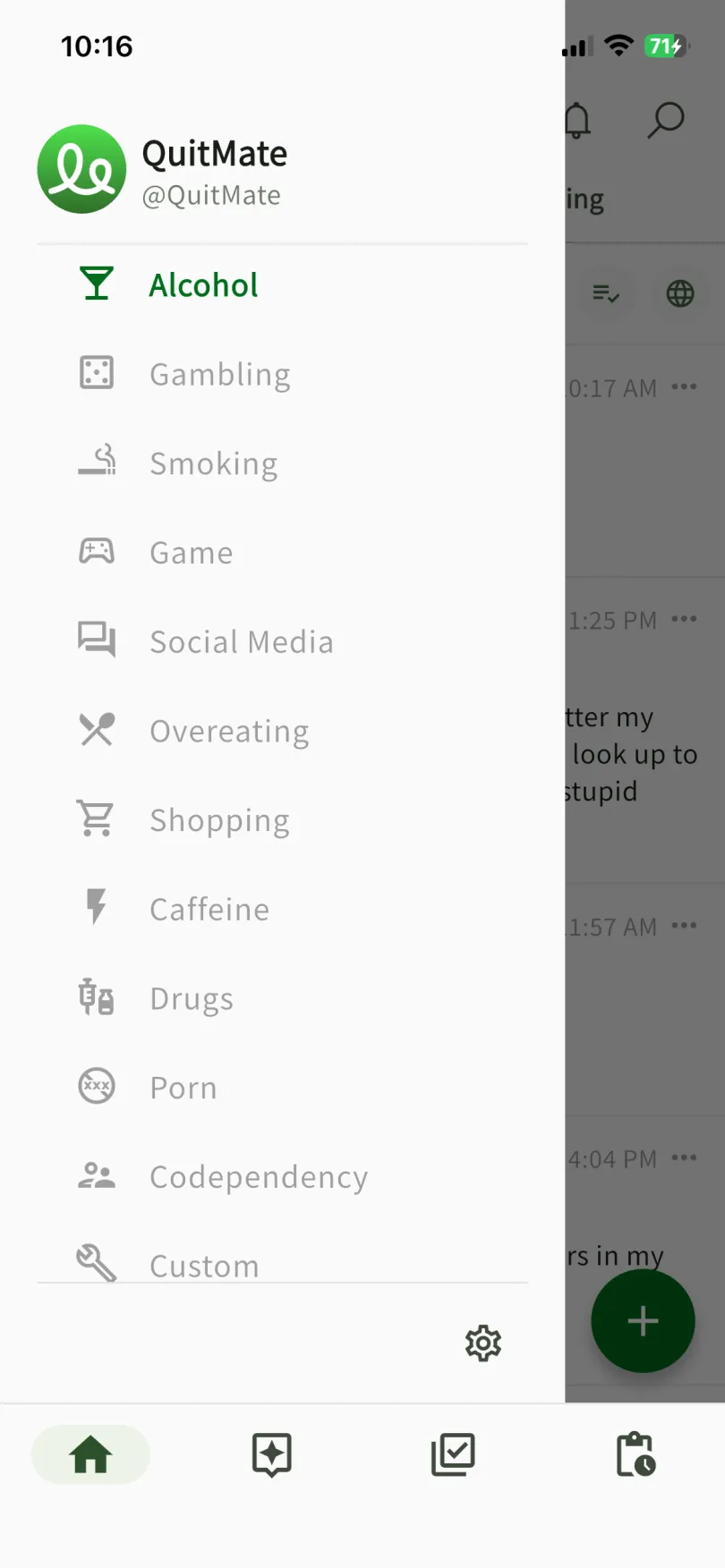
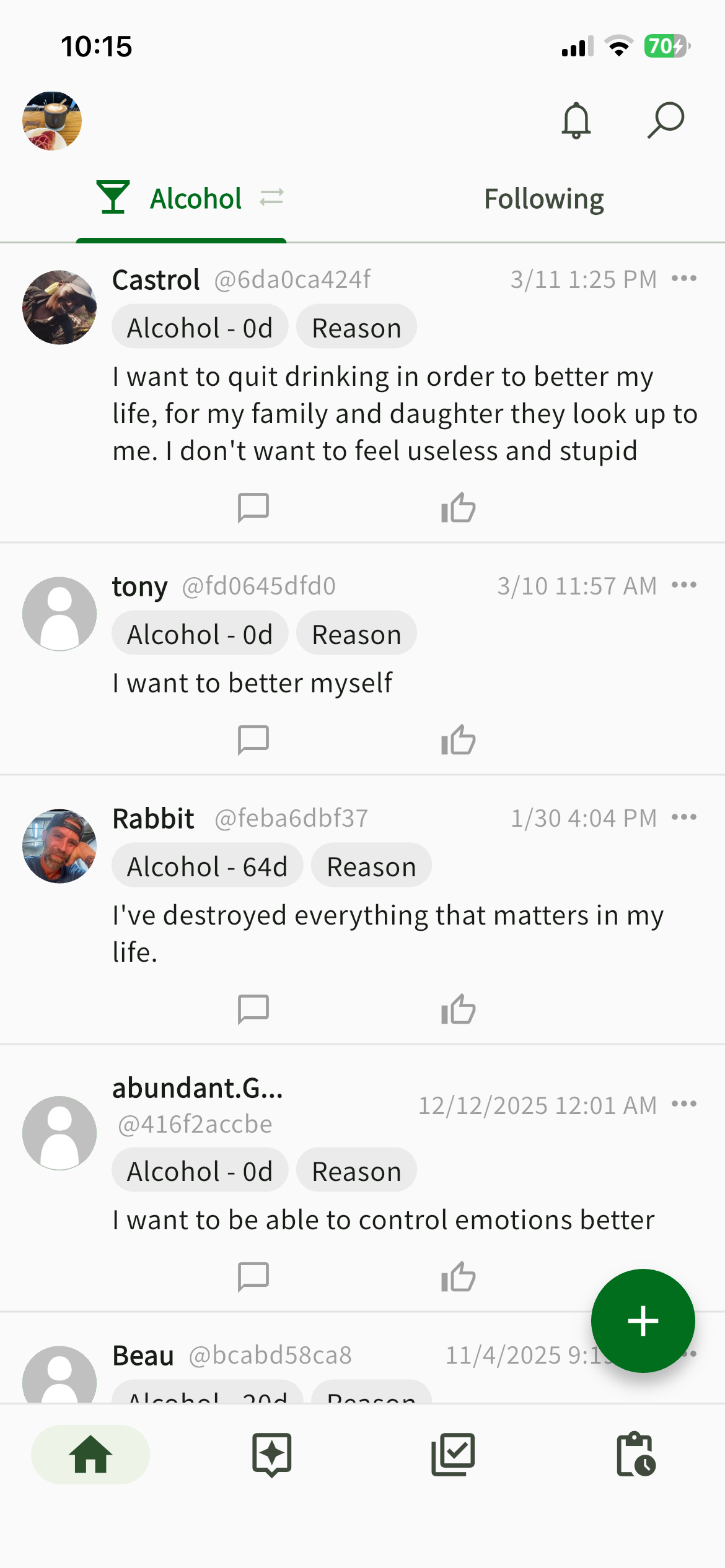
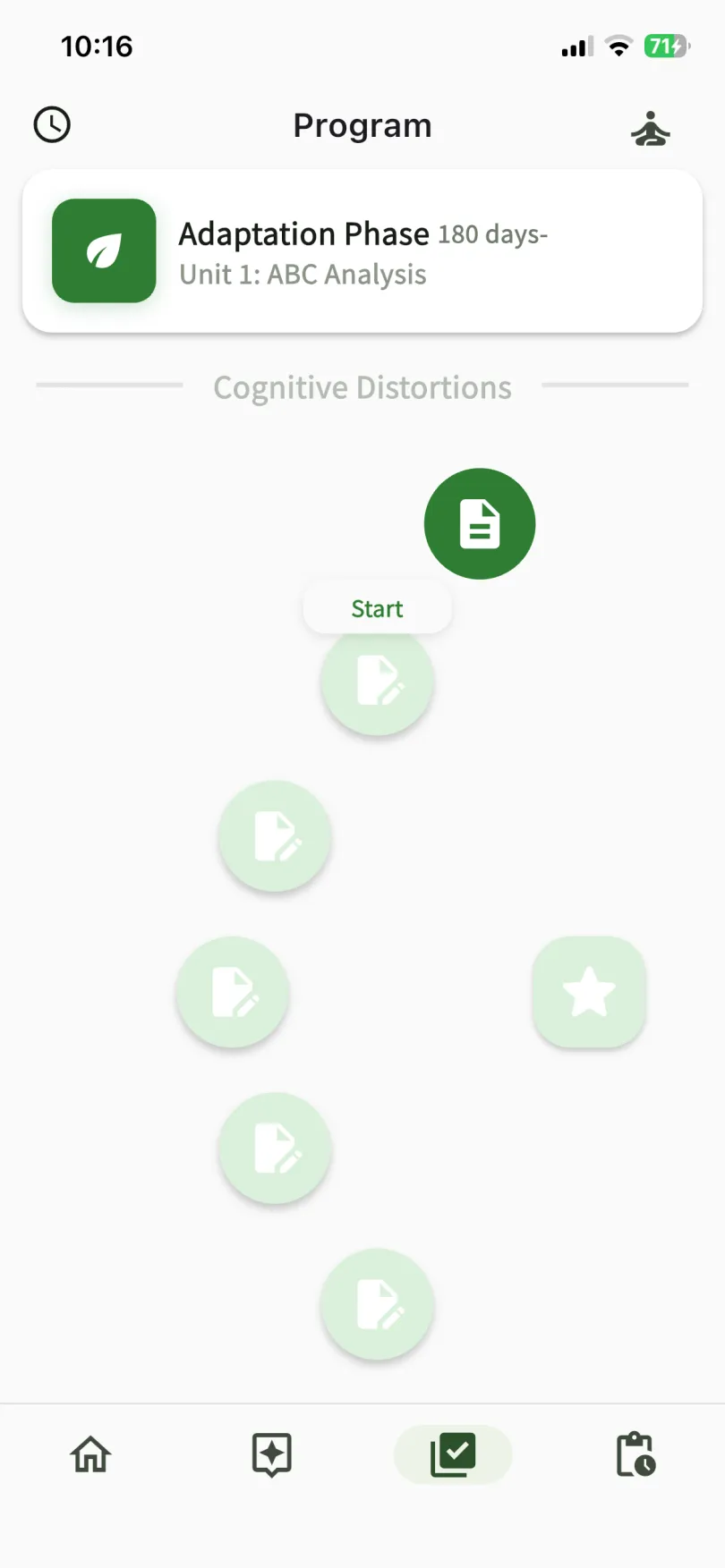

QuitMate
Together, you can quit
Connect anonymously with others who share your struggle. Whether it's alcohol, smoking, gambling, or other habits, you're not alone.