
Can Quitting Alcohol Really Reduce Gray Hair? Changes to Your Hair, Skin, and Appearance Explained
Search “quit drinking gray hair” and you’ll find no shortage of personal stories on social media and forums. “My gray hair clearly decreased after 3 months sober.” “The gray hairs around my hairline disappeared.” Can that really happen?
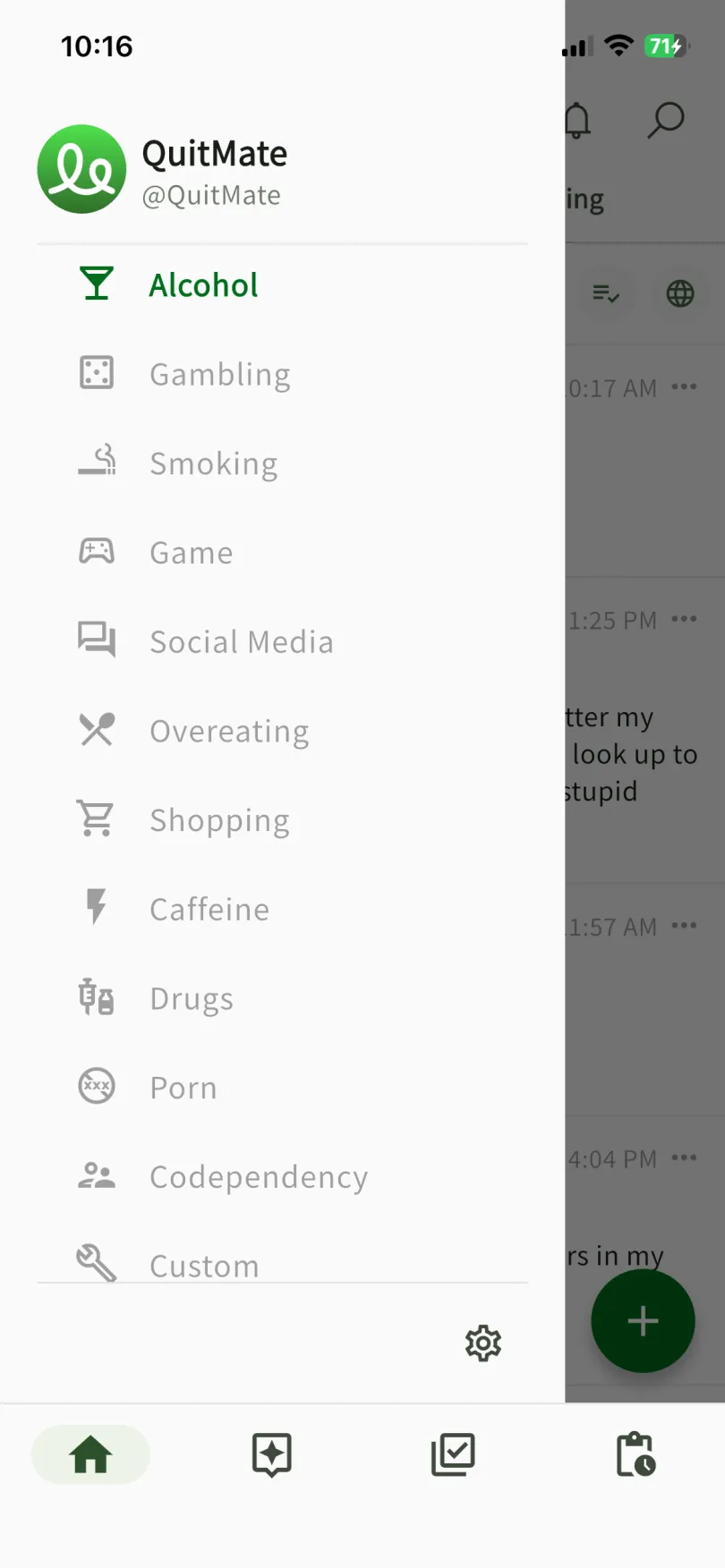
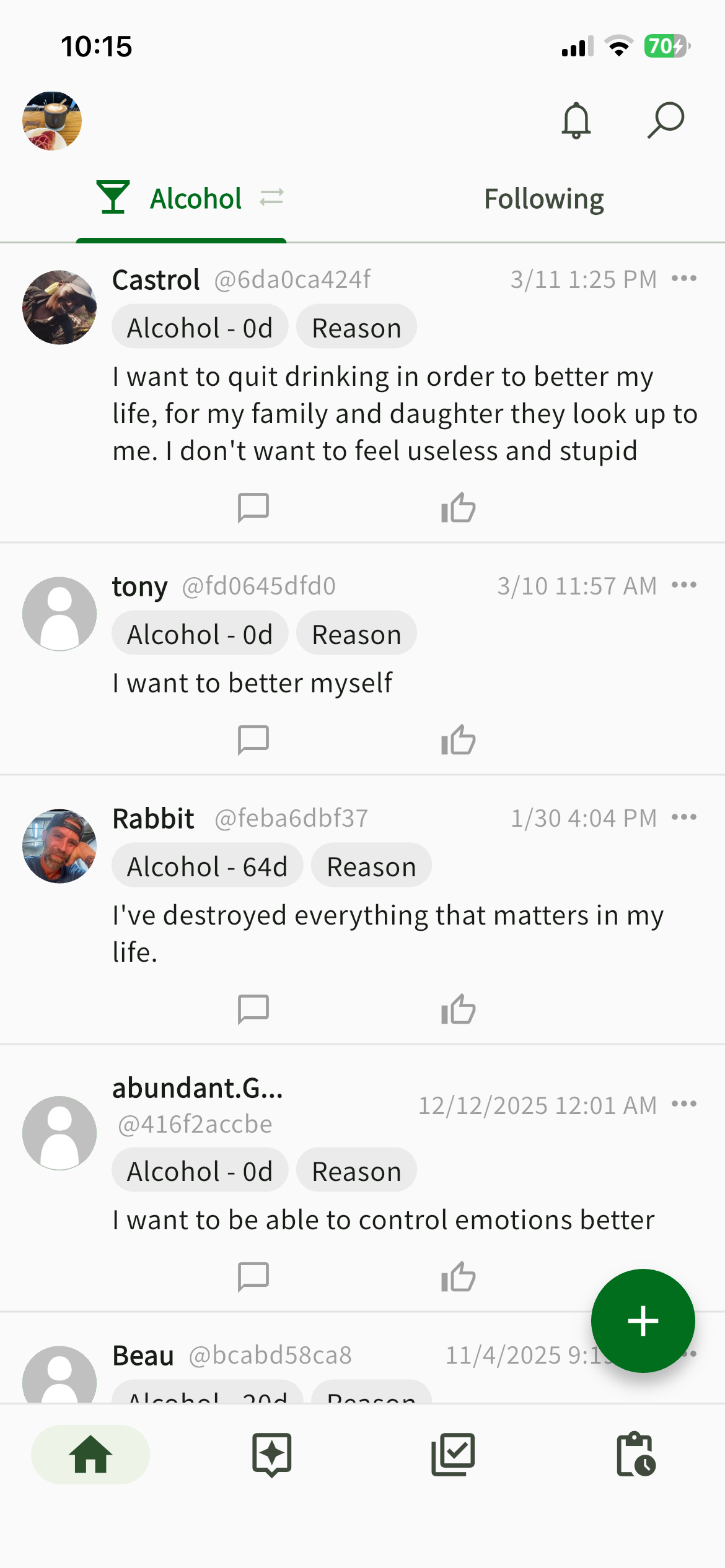
I run QuitMate, an app for overcoming addiction. We have about 750 users in the alcohol category alone. Honestly, posts specifically saying “my gray hair decreased” are rare. But reports about changes in hair and appearance are quite common. And here’s the interesting part: the hair changes people notice first aren’t about gray hair. They’re about hair loss and volume.
I compared the research, the metabolic mechanisms, and what our users actually report.
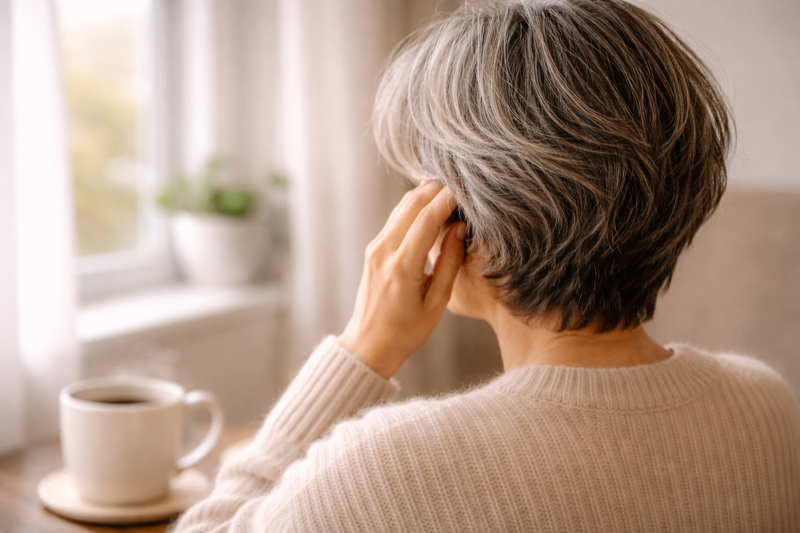
How Gray Hair Actually Works
Hair color is produced by cells called melanocytes deep inside the hair follicle. As you age, these cells decline and gray hair increases. Once a melanocyte dies, it doesn’t come back.
In other words, gray hair caused by aging is “irreversible.” That’s the baseline.
But does that mean every story on social media is a lie? Not necessarily. Aging isn’t the only thing that causes gray hair.
How Alcohol Accelerates Gray Hair
Beyond aging, there are several pathways through which alcohol can speed up the graying process.
Your Body Burns Its Defenses to Process Alcohol
When you drink, your body uses a massive amount of energy to break down the alcohol. The problem is that this energy was supposed to be used to protect your cells from free radicals.
When you drink every night, your body is so busy processing alcohol that it can’t keep up with cellular defense. Melanocytes are especially vulnerable to free radicals, so as defenses weaken, damage accumulates and their ability to produce pigment gradually declines.
One QuitMate user put it this way: “When I keep drinking, my hair loses all its volume. It comes back when I stay sober. My skin falls apart too. Alcohol doesn’t just affect your liver; it hits everything.” Hair and melanocytes are part of that “everything.”
Stress Hormones Burn Through Your Pigment Cell Reserves
A 2020 Harvard study revealed a lot about how stress actually causes gray hair.
Put simply, when chronic stress keeps your body in a state of tension, the reserve melanocytes (stem cells) in your hair follicles get used up faster than they should. Once those reserves are depleted, your body can no longer produce new melanocytes. Gray hair only increases from that point on.
And the body of someone who drinks chronically is in exactly this kind of “constant tension” state. The brain is stuck in anxiety mode, never truly relaxing. This is yet another pathway through which gray hair can progress.
Nutrient Absorption Takes a Hit
Alcohol interferes with nutrient absorption in the gut. Zinc, biotin, and folate are particularly affected, and all of them are essential for producing hair pigment.
Even if your melanocytes are still alive and functioning, they can’t produce pigment without the raw materials.
So, Will Gray Hair Actually Decrease?
Gray hair from melanocytes that have completely died due to aging won’t come back, even if you quit drinking.
But if alcohol was accelerating your gray hair beyond what aging alone would cause, quitting can stop that extra acceleration. If melanocytes that were still hanging on manage to recover, there’s a real possibility of dark hair growing back from those follicles.
That’s probably what’s behind those “my gray hair decreased” stories on social media. The gray hair didn’t reverse. Either the rate of increase stopped, or weakened cells came back to life. Seen that way, those personal accounts aren’t as far-fetched as they might sound.
The Hair Changes That Come Before Gray Hair
Whether gray hair will improve is honestly uncertain, and it takes time regardless. But there are other hair changes from quitting alcohol, and they show up much sooner.
First, hair loss. One QuitMate user wrote this on day 20:
“My hair loss has decreased noticeably over the past few days! Alcohol is… scary.”
And on day 65:
“Since I stopped drinking, my hair loss has decreased and I’ve even lost a bit of weight.”
When nutrients start reaching your hair properly again, individual strands get thicker and overall volume changes. Scalp blood flow recovers, and hair loss slows down. These changes typically begin 2 to 3 weeks after quitting and become noticeable for most people around the 2 to 3 month mark.
Another user wrote on day 6: “I heard it takes about 3 months for alcohol to completely leave your hair. So the idea that alcohol contributes to dry, thinning hair doesn’t seem like a stretch at all.” The timeline for dry, brittle hair becoming soft and healthy again lines up with that too.
Quitting Alcohol Changes Your Skin Too (And It Happens Fast)
The fastest beauty benefit of quitting alcohol is actually your skin.
Alcohol dehydrates you, triggers inflammation, and inhibits collagen production. When you quit, all of that stops.
On QuitMate, posts about skin changes appear earlier than almost anything else.
“My skin has cleared up a lot, and my health is recovering too.” (Day 4)
“One week without alcohol. The most obvious difference is the condition of my facial skin. The breakouts have improved dramatically.” (Day 7)
“The puffiness is gone, and I feel like my skin has gotten a little better.” (Day 11)
One user on day 218 reflected: “After drinking, I’d always get puffy and my skin would dry out. It really hits me now how much my hydration balance was off.”
Hair takes months, but skin changes within 1 to 2 weeks. If you want to see the effects of quitting alcohol quickly, pay attention to your skin first.
How Quitting Alcohol Changes Your Overall Appearance
Reading posts from people who’ve stayed sober for a long time, what stands out is that they start caring about how they look again.
“Since I quit drinking, I think I’ve started caring about how I look? I got contacts, replaced clothes and shoes that were falling apart, and today I went for a totally new hairstyle. About 9 months sober now. My expression and my whole look have gotten brighter.” (Day 312)
“Since quitting alcohol, my fatigue has dropped and my body and mind feel lighter, so next up is working on my appearance. (Male, 50s)” (Day 143)
“I feel physical changes like I’ve gotten a bit younger. I feel like things are changing for the better, which makes me even more determined not to put alcohol back in my body.” (Day 234)
Your skin clears up. Hair loss slows down. And more than anything, you get back the mental space to actually care about how you look. People who couldn’t even be bothered to look in the mirror while they were drinking start changing their hairstyle, buying new clothes, and their whole expression brightens.

QuitMate
Together, you can quit
Connect anonymously with others who share your struggle. Whether it's alcohol, smoking, gambling, or other habits, you're not alone.