
What Happens After 1 Week Without Alcohol [Data from 750 Users]
“Just one more.” That’s what you tell yourself, and before you know it, three cans are empty. The next morning, you wake up before your alarm. Your head is pounding. Your stomach is churning. “I overdid it again.”
You know you should stop, but you can’t. Your health check comes back with red flags. So you start googling “quitting alcohol.” But the real question on your mind is: “If I actually stop, will anything really change?”
I run QuitMate, an app for overcoming addiction. We have about 750 users in the alcohol category alone, and they’ve logged over 2,850 quit-drinking challenges to date. What the data tells us clearly is that your body changes noticeably within the first week. But the first 3 days are brutal. The data proves it.
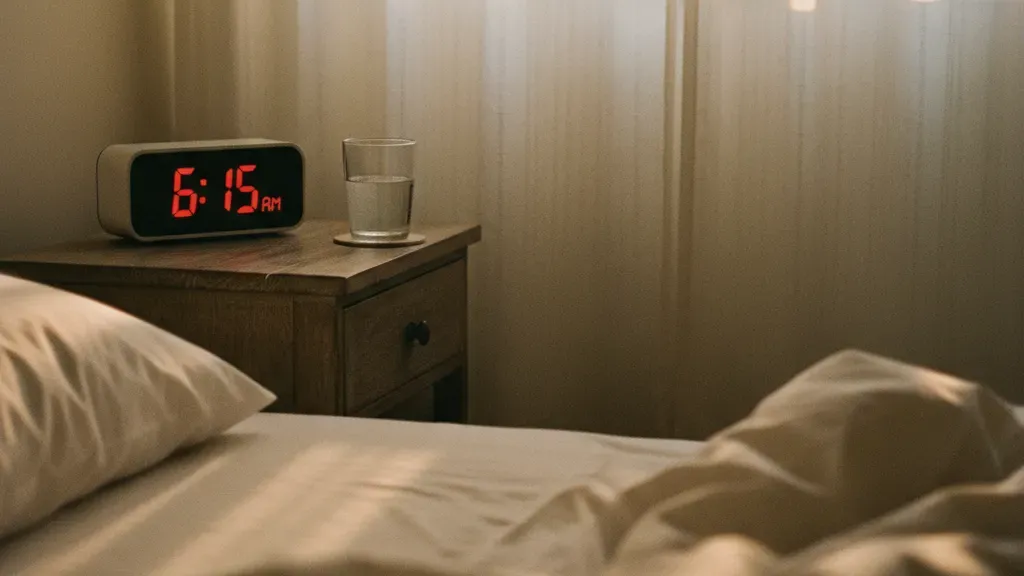
Days 1-3: Where 60% of Relapses Happen
During the first 3 days, you don’t have the luxury of “feeling the benefits.”
QuitMate’s data shows that roughly 60% of people who relapse do so within the first 3 days. In other words, this is the biggest hurdle you’ll face.
The app is filled with posts from this period:
“I can’t fall asleep, and I keep waking up way too early. I’ve failed before because the insomnia stressed me out so much. This time, I’m going to push through!” (Day 1)
“The night sweats are insane. My T-shirt was completely soaked. Even my hair was dripping.” (Day 1)
“The withdrawal symptoms are way harder than I expected… It’s hitting me mentally too.” (Day 3)
Insomnia, night sweats, headaches, irritability. This is your body adjusting to life without alcohol. It’s not abnormal. Your body had adapted to a daily supply of alcohol, so when that suddenly drops to zero, of course it’s going to protest.
Looking at post counts by day, Day 0 (the “I’m doing this” declaration) has 1,096 posts, while Day 3 drops to 330. That’s roughly a third. The numbers clearly reflect just how many people drop off during these first 3 days.
The key point is that Day 3 is the peak of difficulty. One user wrote on Day 3: “I’ve got headaches and I’m irritable, but sitting around doing nothing just makes me think negative thoughts, so I’m throwing myself into mowing the lawn at my parents’ place.” Looking at posts from people who made it through this period, many kept busy with exercise or threw themselves into something to take their mind off it. Get past this point, and the momentum shifts.
Days 4-5: 75% of Those Who Survive Day 3 Go the Distance
This is where the numbers get interesting.
Among QuitMate’s quit-drinking challenges, about 75% of people who made it past Day 3 went on to reach the full week. In stark contrast to the high dropout rate of the first 3 days, things get dramatically easier from Day 4 onward.
The reason is obvious when you read the posts. Your body starts changing.
“Another day without drinking. Mornings feel so refreshing.” (Day 4)
“I had terrible insomnia right after quitting, but lately I’m out before I even realize it. What a relief.” (Day 5)
“I remembered how awful the shallow, restless sleep was when I was drinking, and that helped me stay strong.” (Day 5)
Mornings transform. I think this is the biggest change in the first week of sobriety.
When you were falling asleep drunk, your liver was working overtime all night, which meant your body was never actually resting. Around Day 4, real, deep sleep starts coming back. You stop waking up in the middle of the night. A morning without a hangover feels way better than you’d imagine.
Here’s another one. On Day 2, someone wrote: “I didn’t drink today. I’m so happy. I cleaned up my room and it feels great. I can’t believe how much I can get done when I’m not drinking. How much time have I been wasting all this time…” When you have a sober evening with nothing to do, you start tidying up, reading, doing things. The time and energy you used to pour into alcohol just naturally flows somewhere else.
Facial puffiness starts to go down too. A lot of people notice around Days 4-5 and think, “Wait, is my jawline actually showing up?”
Days 6-7: “I’m Glad I Didn’t Drink” Becomes a Conviction
As you approach the one-week mark, it’s not just your body that changes. Your mindset shifts.
“My mood in the morning is ridiculously good. I think I’ve finally broken out of the booze blues.” (Day 6)
“Someone offered me a drink at dinner, and I turned it down without hesitating.” (Day 6)
“I had insomnia for the first 4 days after quitting, but I’ve gradually started sleeping better. It’s only Day 7, but I can already feel the effects of cutting out alcohol.” (Day 7)
On Days 1-3, it was “I want to drink, but I’m holding back.” By Day 7, it’s “I’m glad I didn’t drink.” From white-knuckling it to genuine conviction. That’s a huge difference.
Skin changes start showing up around this time too. Alcohol dehydrates your skin and causes inflammation. Just one week without it is enough to make your complexion visibly brighter. Weight starts creeping down as well (if you were drinking 3 beers a day, that’s roughly 4,200 kcal cut in a week). You might also notice the brain fog lifting and your focus coming back.
One user wrote on Day 7: “I went to a Bon Odori festival and managed to hold off while everyone around me was drinking. I want to give myself credit for that. Though I did end up eating way too many sweets instead.” It’s actually very common to crave sweets early in sobriety. But the point is, they didn’t drink. That alone is a big deal.
How to Get Through the First Week
Here are three takeaways from the data and user posts:
First, commit to “just 3 days.” Once you clear Day 3, 75% of people make it to a full week. Aiming for “one week” from the start feels daunting, but “just 3 days” is something you can power through on sheer determination. After Day 3, your body starts cooperating.
Replace the “act” of drinking. Swap out the beer in your fridge for non-alcoholic drinks or sparkling water. Looking at the posts, many people who made it through the week wrote things like “I got through it with non-alcoholic beer.” When the habit is really about the ritual (holding something cold, cracking open a can), having that physical action alone can be enough to quiet the craving.
Track your changes. Sleep quality, morning mood, weight, skin condition. People who post daily on QuitMate during early sobriety tend to stick with it longer. One user wrote on Day 5: “Everyone on this app shares openly about relapses and tough times too, not just the highlights like on regular social media. It feels like a really comfortable place to be.” You don’t have to be perfect. You didn’t drink today. Write that down. That’s enough.
Takeaway
The battle is won or lost in the first 3 days. That’s where 60% of relapses happen. But 75% of those who push past Day 3 make it to one week. Overall, about 40% of all challenges clear the one-week mark.
On the morning of Day 4, you’ll have that “Wait…” moment. Your body answers back. That tangible feedback is what carries you into the next day.
For what happens in Week 2 and beyond, check out “Amazing Effects of 2 Weeks Without Alcohol: Physical and Mental Changes.”
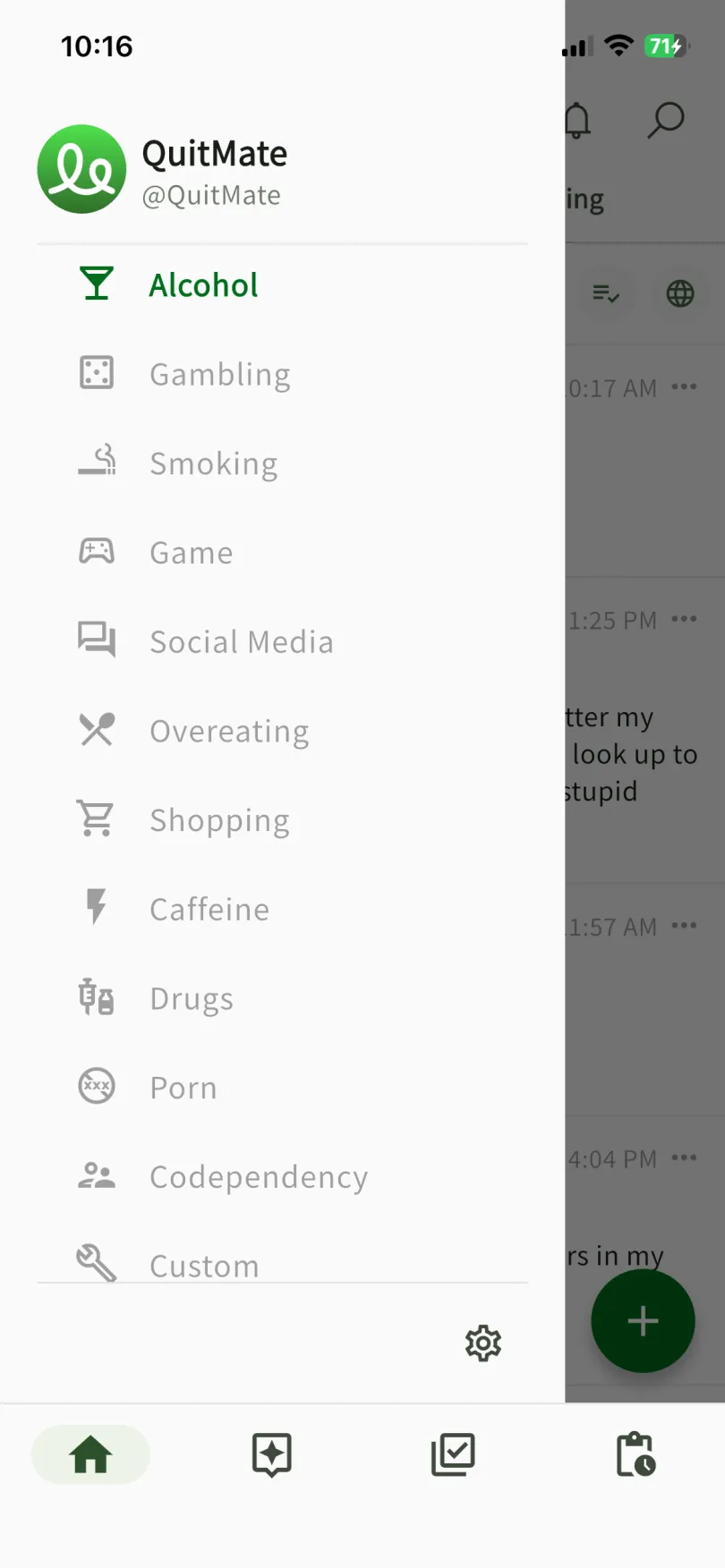
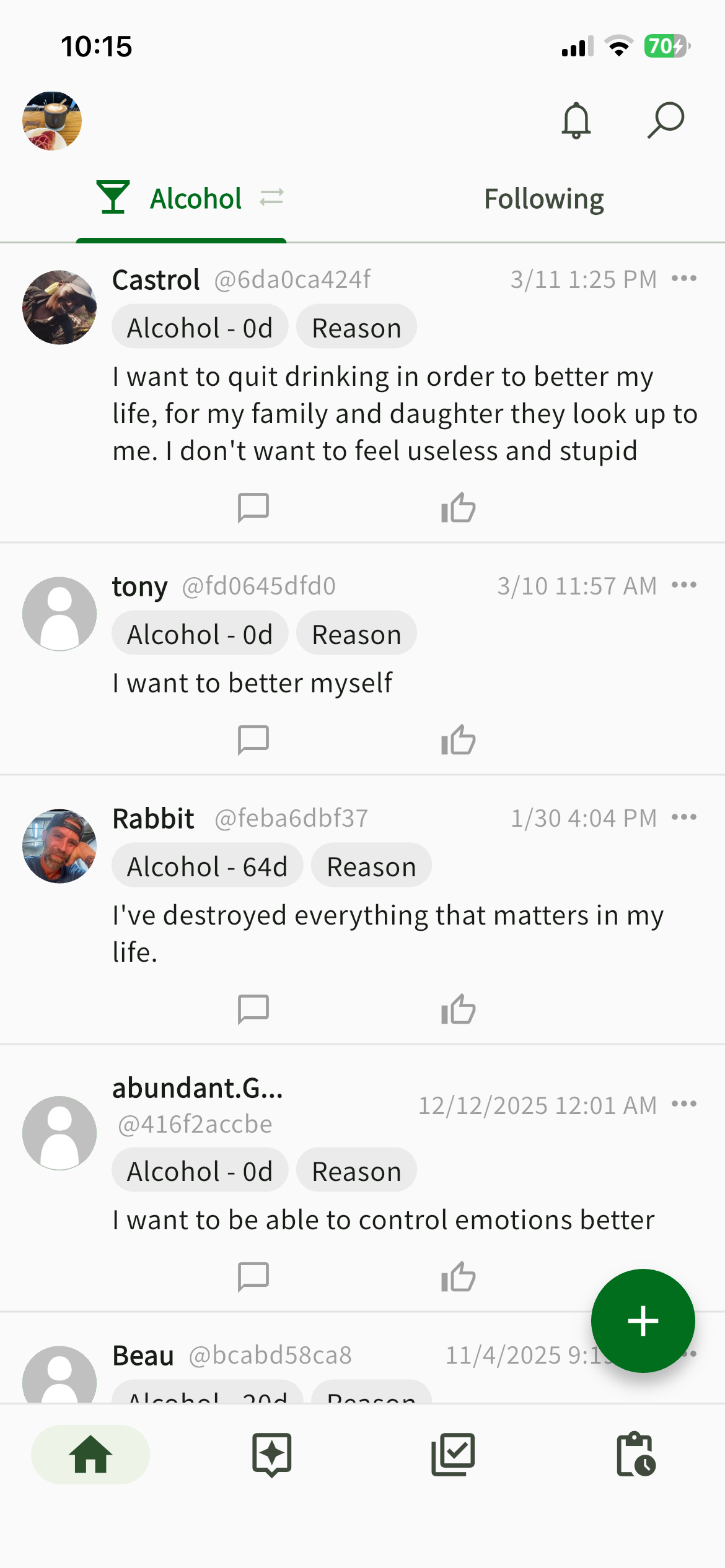
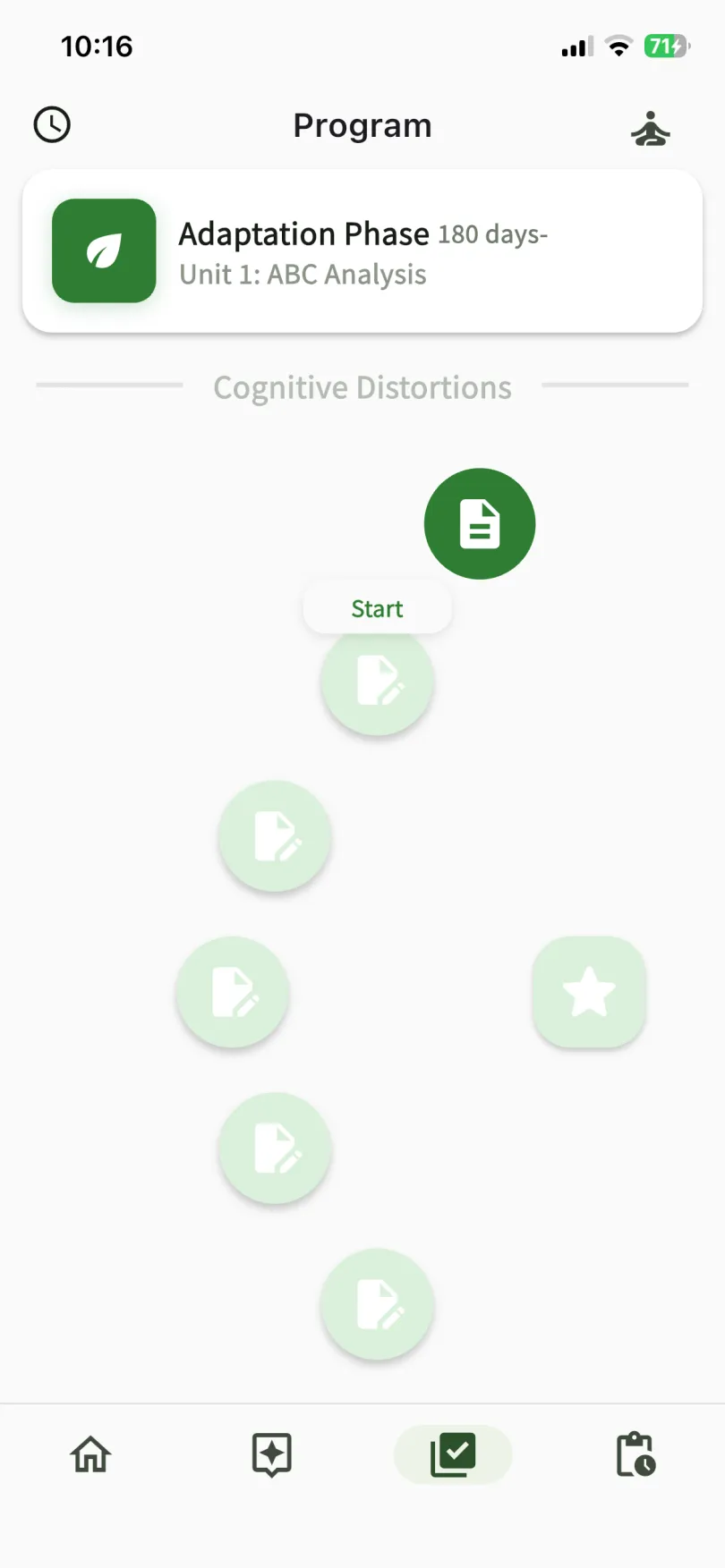

QuitMate
Together, you can quit
Connect anonymously with others who share your struggle. Whether it's alcohol, smoking, gambling, or other habits, you're not alone.